Introduction to Aramid Carbon
What Is Aramid Carbon?
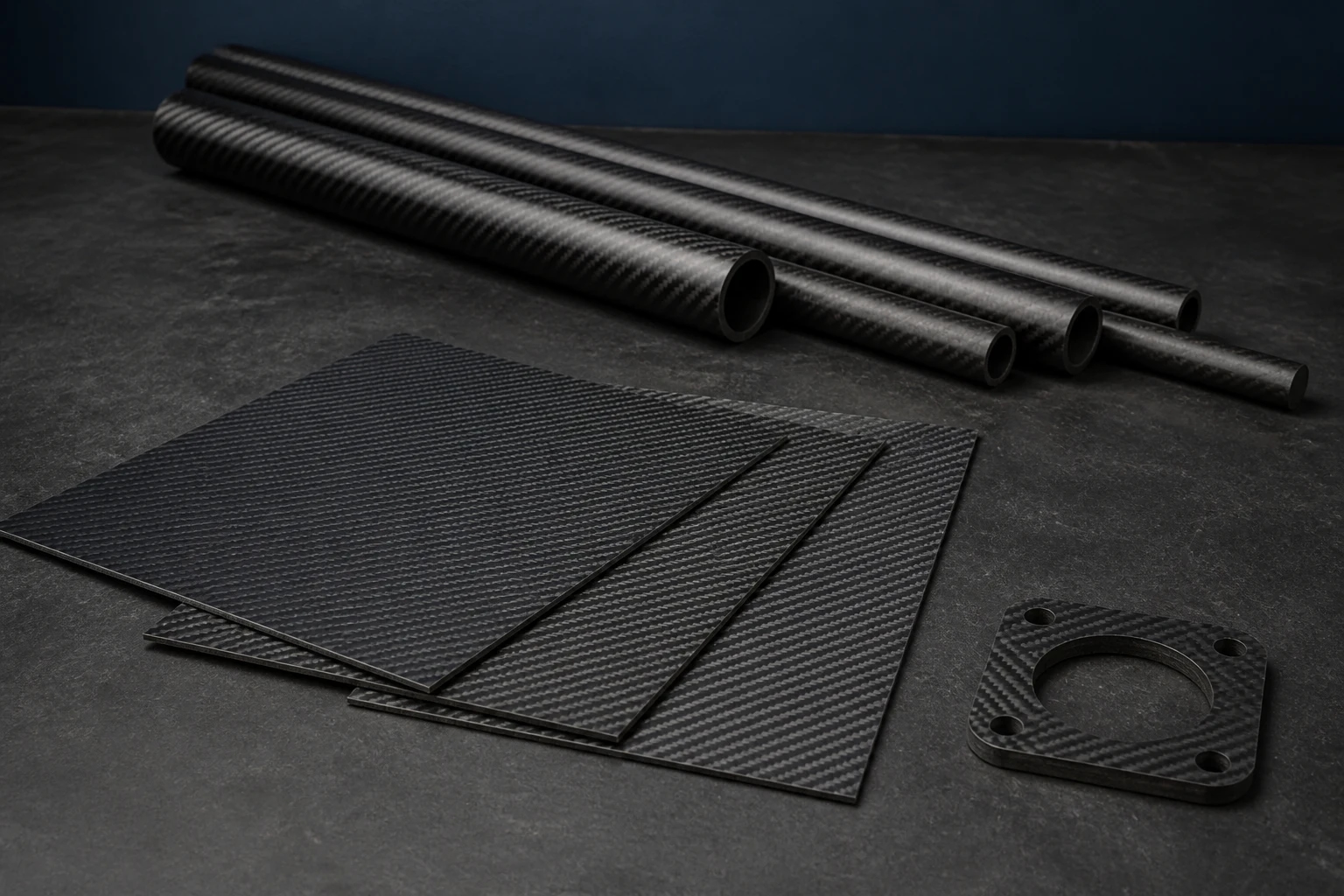
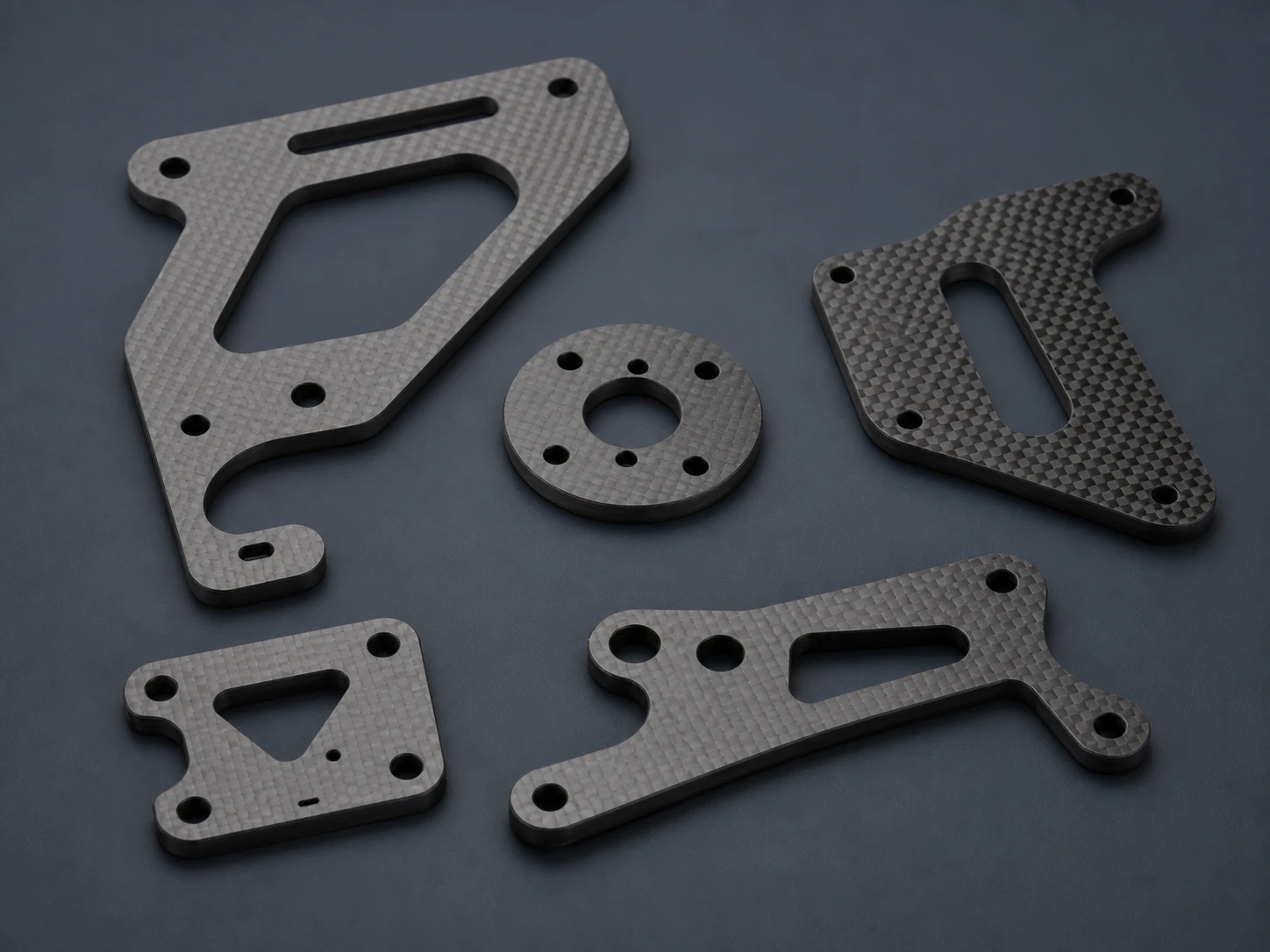
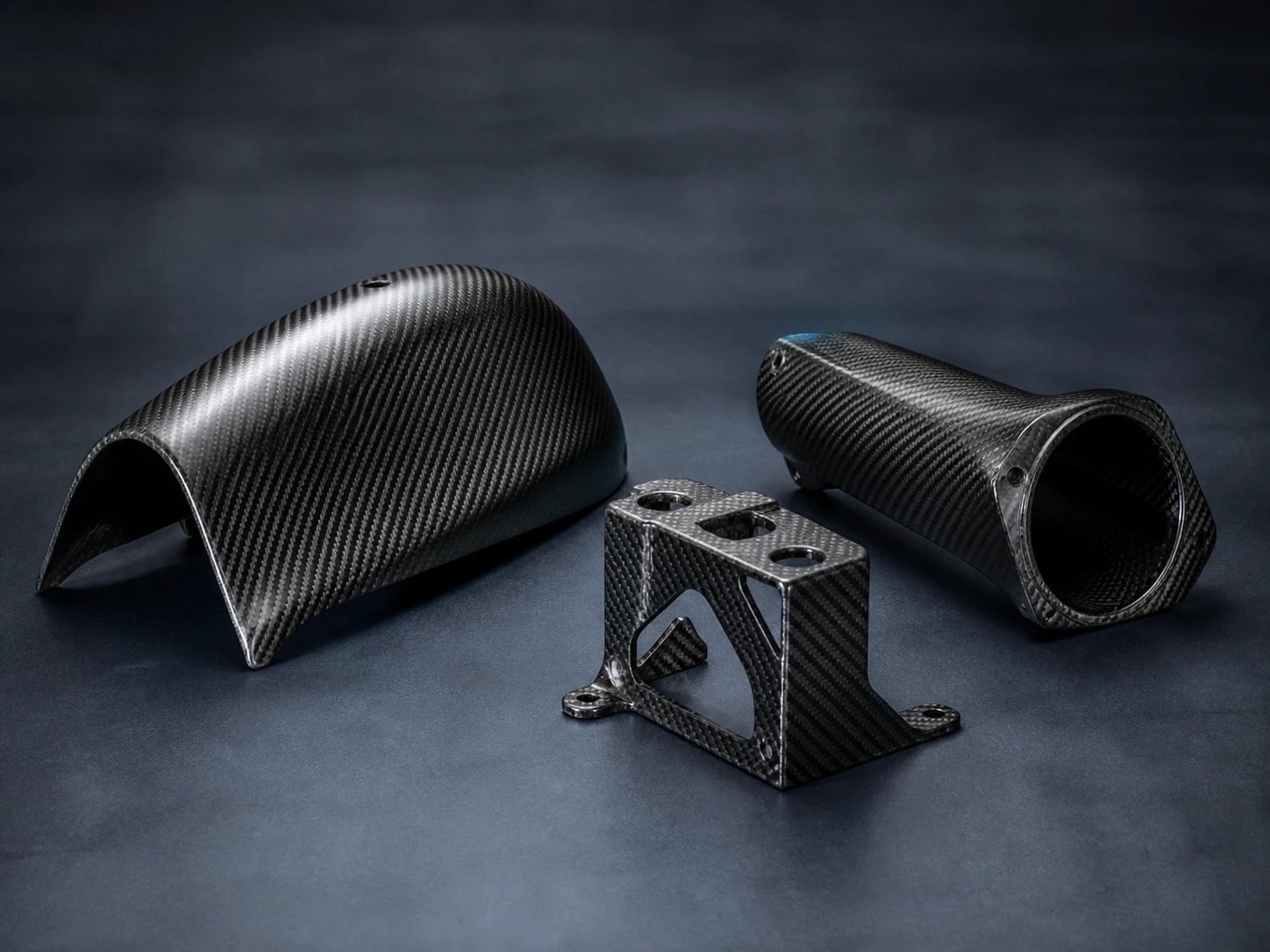
Aramid carbon is a cutting-edge composite material that combines aramid fibers with carbon fibers. This unique blend creates a material with exceptional strength and lightweight properties. Aramid, known for its high tensile strength and heat resistance, complements carbon’s stiffness and low weight. Together, they form a versatile material used in various industries.

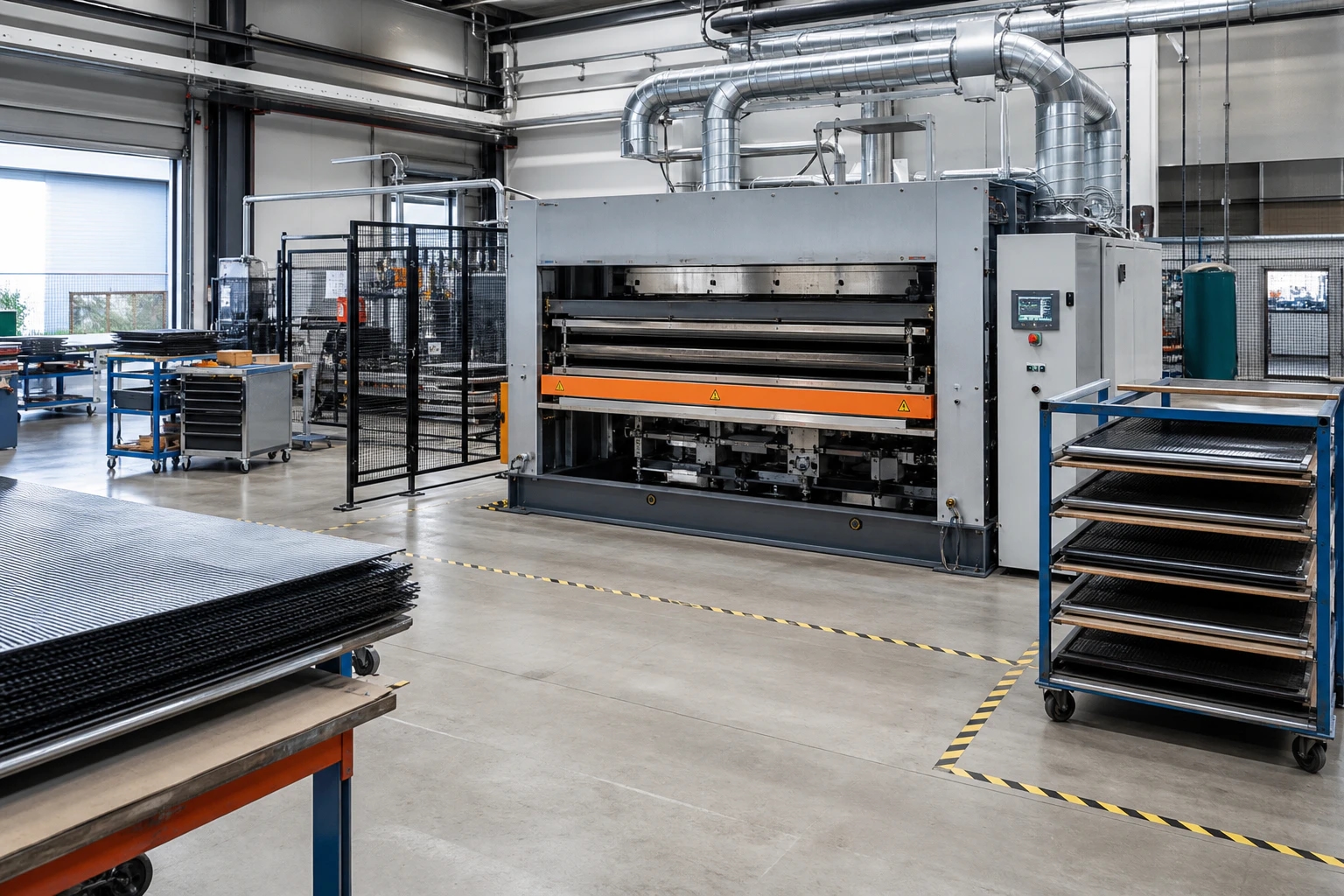
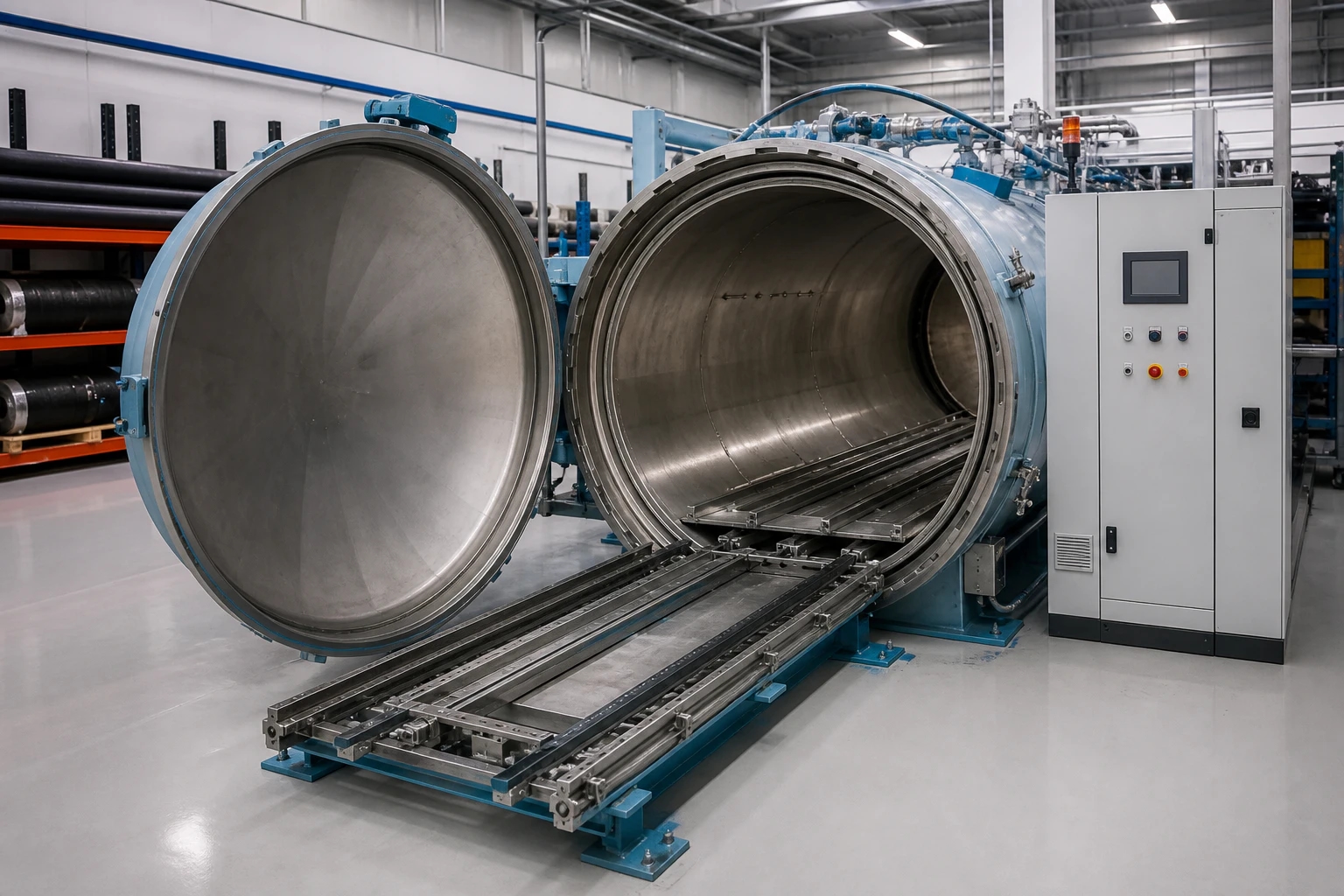
The production of aramid carbon involves a complex process. First, aramid fibers are woven into a fabric. Then, carbon fibers are added to create a hybrid material. This combination results in a product that offers the best of both worlds. It’s stronger than pure carbon fiber and lighter than pure aramid.
Aramid carbon’s unique properties make it ideal for applications where strength, weight, and durability are crucial. Its versatility has led to its adoption in aerospace, automotive, and sports industries.
The Benefits of Aramid Carbon Technology
Aramid carbon technology offers numerous advantages across different sectors. Its primary benefit is the exceptional strength-to-weight ratio. This property makes it perfect for applications where reducing weight without compromising strength is crucial.
Other benefits include:
- High impact resistance
- Excellent fatigue resistance
- Good vibration damping properties
- Thermal stability
- Chemical resistance
These properties make aramid carbon ideal for use in extreme conditions. It can withstand high temperatures and harsh environments. This durability extends the lifespan of products made with aramid carbon.
In the aerospace industry, aramid carbon’s lightweight nature helps improve fuel efficiency. In sports, it enhances performance by reducing equipment weight. The automotive sector uses it to create stronger, safer vehicles without adding excess weight.
The Role of Aramid Carbon in the Sports Industry
Innovations in Aramid Carbon Fiber
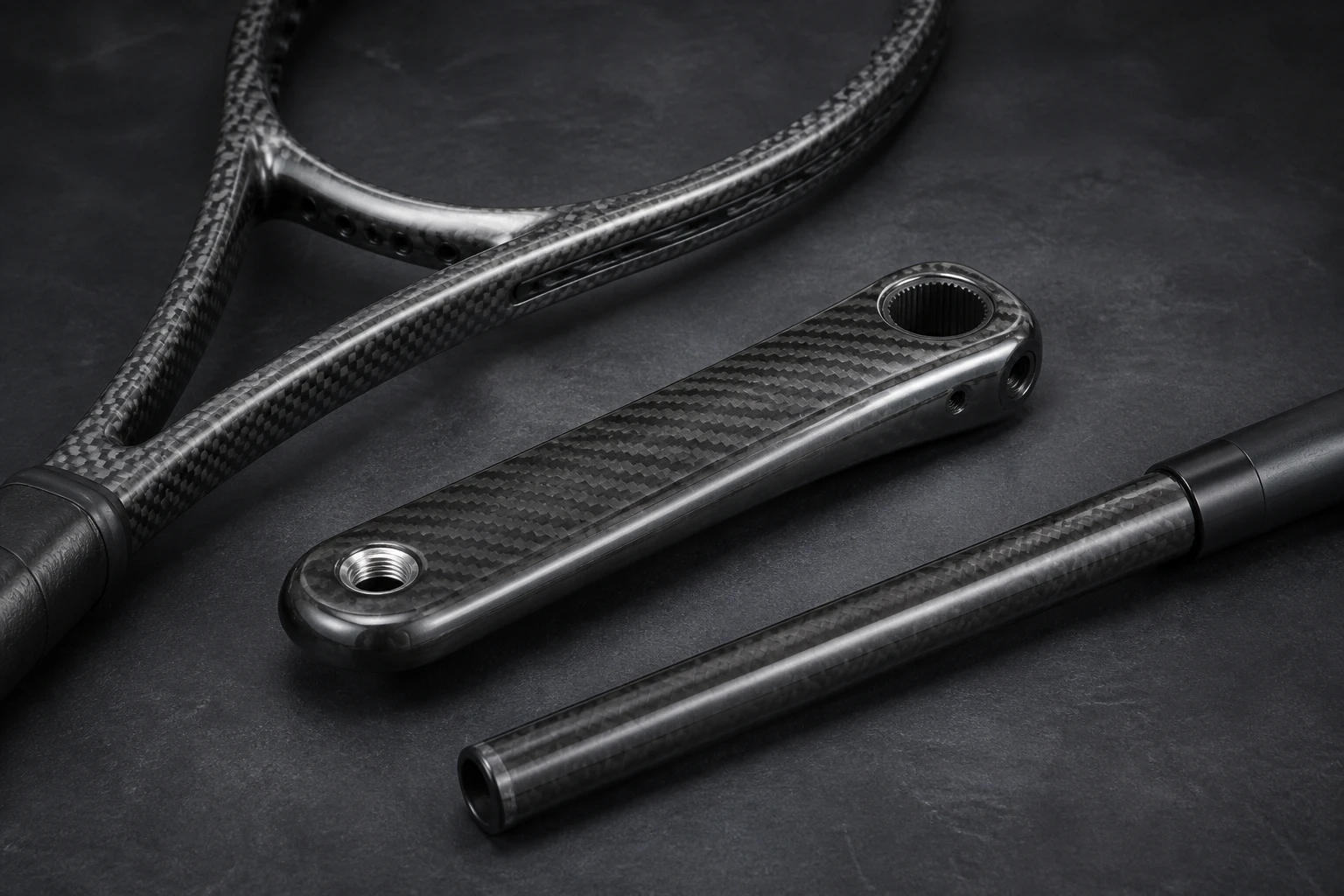
The sports industry has embraced aramid carbon technology with open arms. Its unique properties have led to significant innovations in sports equipment. From tennis rackets to bicycle frames, aramid carbon is revolutionizing how athletes perform.

In cycling, aramid carbon frames offer superior strength and shock absorption. This results in a smoother ride and better power transfer. Tennis rackets made with aramid carbon provide better control and power. The material’s vibration-damping properties reduce player fatigue.
Golf clubs benefit from aramid carbon’s strength and lightweight nature. It allows for larger clubheads without adding weight. This increases the sweet spot and improves overall performance. In water sports, aramid carbon has found use in surfboards and kayaks. It provides durability against impacts and saltwater exposure.
Aramid Carbon and Sustainable Practices in Sports
Sustainability is a growing concern in the sports industry. Aramid carbon technology is playing a role in addressing these concerns. Its durability means products last longer, reducing the need for frequent replacements.
The production of aramid carbon can be more energy-efficient than traditional materials. This helps reduce the carbon footprint of sports equipment manufacturing. Some companies are exploring ways to recycle aramid carbon products. This could further improve its sustainability profile.
Aramid carbon’s lightweight nature also contributes to sustainability. In sports like cycling and motorsports, lighter equipment can lead to reduced fuel consumption. This indirectly helps in lowering overall environmental impact.
Success Stories: Brands That Utilize Aramid Carbon
Several leading sports brands have successfully incorporated aramid carbon into their products. These success stories highlight the material’s potential in enhancing performance and durability.
Specialized, a renowned bicycle manufacturer, uses aramid carbon in their high-end frames. Their bikes are known for being lightweight yet incredibly strong. This has helped professional cyclists achieve record-breaking performances.
In tennis, HEAD has developed rackets using aramid carbon technology. These rackets offer improved power and control. Many top players have switched to these rackets, citing better performance on the court.
Callaway, a leading golf equipment manufacturer, incorporates aramid carbon in their club designs. This has resulted in clubs that offer better distance and accuracy. Professional golfers using these clubs have reported significant improvements in their game.
Future Trends and Applications of Aramid Carbon
Advancements in Aramid Carbon Materials
The future of aramid carbon technology looks promising. Researchers are constantly working on improving its properties and production methods. One area of focus is enhancing the material’s strength-to-weight ratio even further.

Scientists are exploring new ways to combine aramid and carbon fibers. These methods aim to create even stronger and lighter materials. Some research is focused on improving the material’s resistance to environmental factors.
Another trend is the development of smart aramid carbon composites. These materials could change properties in response to external stimuli. This could lead to sports equipment that adapts to different conditions or user needs.
Potential New Markets for Aramid Carbon
While aramid carbon has found success in sports and aerospace, there are many untapped markets. The medical industry is showing interest in this material. Its strength and biocompatibility make it suitable for prosthetics and implants.
The construction industry is another potential market. Aramid carbon could be used to reinforce buildings against earthquakes. Its lightweight nature could allow for taller, more efficient structures.
In the renewable energy sector, aramid carbon could improve wind turbine efficiency. Its strength and light weight make it ideal for larger, more powerful blades. The material’s durability could also extend the lifespan of solar panels.
Long-Term Environmental Impact of Aramid Carbon Use
As aramid carbon use grows, it’s crucial to consider its long-term environmental impact. The material’s durability means less frequent replacements, reducing waste. However, the production process can be energy-intensive.
Efforts are underway to make aramid carbon production more sustainable. This includes using renewable energy sources and optimizing manufacturing processes. Recycling aramid carbon products is also a key focus area.
The lightweight nature of aramid carbon can indirectly benefit the environment. In transportation, it can lead to improved fuel efficiency. This could result in significant reductions in carbon emissions over time.
In conclusion, aramid carbon technology has immense potential. From sports to aerospace, its applications are vast and growing. As research continues, we can expect even more innovative uses for this remarkable material.