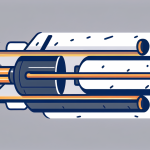
Understanding Carbon Fiber Rebar: What You Need to Know
What Is Carbon Fiber Rebar?
Carbon fiber rebar is a modern alternative to traditional steel reinforcement in concrete structures. It’s made from raw carbon fiber, a material known for its strength and lightweight properties. This innovative product consists of thin strands of carbon fiber bonded together with resin.

Carbon fiber rebar offers several advantages over steel. It’s corrosion-resistant, non-conductive, and much lighter. These properties make it ideal for use in harsh environments or where weight is a concern. The material’s strength-to-weight ratio is impressive, often surpassing that of steel.
Understanding carbon fiber rebar is crucial for modern construction. It’s changing how we build and reinforcing structures in ways that were not possible before. As the industry evolves, this material is becoming more common in various projects.
Benefits of Using Carbon Fiber in Construction
Carbon fiber in construction brings numerous benefits to the table. Here are some key advantages:
- Lightweight: Carbon fiber rebar is up to 75% lighter than steel, making it easier to transport and handle.
- Corrosion-resistant: Unlike steel, it doesn’t rust, extending the life of structures.
- High tensile strength: It can withstand greater loads than steel of the same size.
- Non-conductive: This property makes it safer in electrical environments.
- Low thermal expansion: It maintains stability in varying temperatures.
- Fatigue-resistant: Carbon fiber can endure repeated stress without weakening.
These benefits make carbon fiber rebar an attractive option for many construction projects. It’s especially useful in coastal areas, bridges, and other structures exposed to harsh conditions. The material’s properties can lead to longer-lasting, more durable buildings and infrastructure.
Common Applications of Carbon Fiber Rebar
Carbon fiber rebar finds use in various construction applications. Here are some common areas where it’s making a difference:
- Marine structures: Docks, piers, and seawalls benefit from its corrosion resistance.
- Bridges: The lightweight nature of carbon fiber rebar reduces the overall weight of bridges.
- High-rise buildings: It provides strength without adding excessive weight to tall structures.
- Airport runways: Carbon fiber rebar can withstand the heavy loads of aircraft.
- MRI rooms: Its non-magnetic properties make it ideal for medical facilities.
- Historic restorations: It can reinforce old structures without adding much weight.
These applications showcase the versatility of carbon fiber rebar. As technology advances, we’re likely to see even more uses for this innovative material in construction. Its unique properties make it suitable for a wide range of projects.
Why Carbon Fiber Rebar Is a Game Changer in Construction
Strength and Durability: Comparing Carbon Fiber to Traditional Materials
When it comes to strength and durability, carbon fiber rebar outperforms traditional materials in many ways. Let’s compare it to steel, the most common rebar material:

- Tensile strength: Carbon fiber rebar can be up to three times stronger than steel.
- Weight: It’s about one-quarter the weight of steel, making it easier to handle and transport.
- Corrosion resistance: Unlike steel, carbon fiber doesn’t rust or corrode.
- Fatigue resistance: Carbon fiber can withstand repeated stress better than steel.
- Lifespan: Structures using carbon fiber rebar can last longer due to its durability.
These comparisons show why carbon fiber is changing the game in construction. Its superior strength-to-weight ratio allows for innovative designs. The material’s durability can lead to longer-lasting structures with less maintenance. This combination of strength and durability is revolutionizing how we approach construction projects.
Cost Efficiency and Environmental Impact of Carbon Fiber Rebar
While the initial cost of carbon fiber rebar is higher than steel, it offers long-term cost benefits:
- Reduced transportation costs due to its lightweight nature.
- Lower installation costs as it’s easier to handle and cut on-site.
- Decreased maintenance expenses due to its corrosion resistance.
- Extended lifespan of structures, reducing the need for repairs or replacements.
Environmentally, carbon fiber rebar has several advantages:
- Lower carbon footprint in transportation due to its light weight.
- Reduced need for resource-intensive repairs and replacements.
- Potential for recycling at the end of its life cycle.
- No rust or corrosion byproducts that can harm the environment.
These factors make carbon fiber rebar a cost-efficient and eco-friendly choice in the long run. As production scales up and technology improves, we can expect the initial costs to decrease further.
Innovation and Technology Behind Carbon Fiber Rebar Manufacturing
The manufacturing process of carbon fiber rebar is a testament to modern innovation. It involves several high-tech steps:
- Precursor production: Creating the raw material, usually from polyacrylonitrile (PAN).
- Oxidation: Heating the fibers to create a stable structure.
- Carbonization: Further heating to remove non-carbon atoms.
- Surface treatment: Preparing the fibers for bonding with resin.
- Sizing: Applying a protective coating.
- Pultrusion: Pulling the fibers through a resin bath and shaping them into rebar.
This process results in a product that’s strong, lightweight, and corrosion-resistant. Ongoing research is focused on improving the manufacturing process. Scientists are exploring ways to make it more efficient and cost-effective. They’re also looking into using recycled materials as precursors.
As technology advances, we can expect even better carbon fiber rebar products. These innovations are driving the revolution in construction materials and methods.
Implementing Carbon Fiber Rebar in Your Project
Step-by-Step Guide to Installing Carbon Fiber Rebar
Installing carbon fiber rebar is similar to steel rebar, but with some key differences:

- Planning: Design your reinforcement layout, considering the unique properties of carbon fiber.
- Preparation: Clean and level the area where you’ll place the rebar.
- Cutting: Use a diamond blade saw to cut the carbon fiber rebar to size.
- Placement: Lay out the rebar according to your design. Use plastic ties instead of wire ties.
- Spacing: Maintain proper spacing using plastic chairs or supports.
- Concrete pouring: Pour the concrete carefully to avoid disturbing the rebar placement.
- Curing: Allow the concrete to cure properly, following manufacturer guidelines.
Remember, carbon fiber rebar is lighter and easier to handle than steel. However, it requires careful handling to avoid damage. Always wear protective gear and follow safety guidelines during installation.
Best Practices for Carbon Fiber Rebar Use
To get the most out of carbon fiber rebar, follow these best practices:
- Proper storage: Keep the rebar dry and protected from UV light before installation.
- Handling care: Avoid dropping or dragging the rebar to prevent damage.
- Use appropriate tools: Employ diamond-tipped blades for cutting.
- Follow design specifications: Adhere to engineer-approved designs and spacing requirements.
- Use compatible materials: Ensure all ties and supports are non-metallic to prevent corrosion.
- Regular inspections: Check for any signs of damage or improper placement before pouring concrete.
- Training: Ensure all workers are trained in handling and installing carbon fiber rebar.
By following these practices, you can maximize the benefits of carbon fiber rebar in your project. It’s crucial to treat it differently from steel rebar for optimal results.
Case Studies: Successful Carbon Fiber Rebar Projects
Several projects have successfully implemented carbon fiber rebar, showcasing its potential:
- Halls River Bridge, Florida: This bridge used carbon fiber rebar in its deck and beams. It showed improved durability in the coastal environment.
- MRI facility, New York: A hospital used carbon fiber rebar in its MRI room construction. This eliminated interference with the magnetic equipment.
- Palace of Auburn Hills, Michigan: The arena’s concrete slabs were reinforced with carbon fiber rebar. This reduced the overall weight of the structure.
- Seawall restoration, Vancouver: Carbon fiber rebar was used to reinforce a deteriorating seawall. It provided a corrosion-resistant solution in the marine environment.
These case studies demonstrate the versatility and effectiveness of carbon fiber rebar. They show how it can solve unique challenges in various construction scenarios. As more projects adopt this technology, we’ll likely see even more innovative applications in the future.