Introduction to Carbon Fiber
What Is 12k Carbon Fiber?
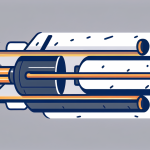
12k carbon fiber is a high-performance material in the world of composites. The ’12k’ refers to the number of carbon filaments in each tow or bundle. Specifically, it means there are 12,000 individual carbon strands.

This type of carbon fiber is known for its versatility and strength. It offers a balance between weight and performance. 12k carbon fiber is thicker than lower-count alternatives like 3k or 6k.
The increased fiber count results in a heavier fabric. However, it also provides greater strength and stiffness. This makes 12k carbon fiber ideal for applications requiring robust structural integrity.
The Evolution of Carbon Fiber Materials
Carbon fiber has come a long way since its inception in the 1960s. Initially, it was primarily used in aerospace and military applications. The material was expensive and difficult to produce.
Over time, manufacturing processes improved. This led to wider adoption across various industries. The development of different fiber counts, including 12k, expanded its uses.
Today, carbon fiber is found in everything from race cars to tennis rackets. The evolution of carbon fiber materials has led to lighter, stronger, and more durable products.
Advancements in production techniques have also made carbon fiber more affordable. This has opened up new possibilities for its use in everyday items.
Key Properties of 12k Carbon Fiber
Composition and Structure
12k carbon fiber is composed of thin strands of carbon atoms. These atoms are bonded together in microscopic crystals. The crystals are aligned parallel to the long axis of the fiber.

This alignment gives the fiber its incredible strength-to-weight ratio. The structure of 12k carbon fiber is what sets it apart from other materials.
Each tow contains 12,000 individual filaments. These filaments are typically about 5-10 micrometers in diameter. When combined, they create a fabric that is both strong and flexible.
The composition of 12k carbon fiber allows for excellent load distribution. This makes it ideal for applications requiring high tensile strength and stiffness.
Mechanical Strength and Durability
12k carbon fiber boasts impressive mechanical properties. It offers high tensile strength, low weight, and high stiffness. These qualities make it superior to many metals in certain applications.
The material’s strength-to-weight ratio is particularly noteworthy. It can be up to five times stronger than steel while being significantly lighter.
12k carbon fiber also demonstrates excellent fatigue resistance. This means it can withstand repeated stress without degrading. Its durability makes it ideal for long-lasting products.
The material’s resistance to corrosion and chemicals further enhances its longevity. This makes it suitable for use in harsh environments where other materials might fail.
Thermal and Electrical Characteristics
12k carbon fiber exhibits unique thermal properties. It has a low coefficient of thermal expansion. This means it doesn’t expand or contract much with temperature changes.
This stability is crucial in applications where precision is important. It’s particularly useful in aerospace and high-performance automotive parts.
The material also offers good thermal conductivity. This allows it to dissipate heat effectively. In some applications, this can help improve overall system performance.
Electrically, 12k carbon fiber is conductive. This property can be both an advantage and a challenge. It’s beneficial in applications requiring EMI shielding.
However, it can also pose risks in certain electrical environments. Proper design and insulation are necessary when using carbon fiber near electrical components.
Applications and Advantages in Various Industries
The Automotive Industry
The automotive industry has embraced 12k carbon fiber for its numerous benefits. Its high strength-to-weight ratio allows for lighter vehicles without compromising safety.

Carbon fiber components can significantly reduce a car’s overall weight. This leads to improved fuel efficiency and performance. Common applications include:
- Body panels
- Chassis components
- Interior trim pieces
- Drive shafts
Luxury and performance cars often feature visible carbon fiber parts. This not only serves a functional purpose but also adds to the vehicle’s aesthetic appeal.
Racing teams extensively use 12k carbon fiber. It helps create lighter, faster cars that can withstand the extreme forces of competitive driving.
Aerospace and Defense
The aerospace industry was an early adopter of carbon fiber technology. 12k carbon fiber is used extensively in both commercial and military aircraft.
Its high strength and low weight are crucial for improving fuel efficiency. This is especially important for long-haul flights. Common aerospace applications include:
- Aircraft fuselage panels
- Wing components
- Interior fittings
- Satellite structures
In defense applications, 12k carbon fiber is used in body armor and vehicle protection. Its ability to absorb energy makes it ideal for these safety-critical roles.
The material’s resistance to fatigue and corrosion also makes it valuable in aerospace. It can withstand the harsh conditions of high-altitude flight and space environments.
Consumer Goods and Sporting Equipment
12k carbon fiber has found its way into a wide range of consumer products. Its combination of strength, light weight, and sleek appearance makes it popular in many fields.
In sporting goods, carbon fiber is used to create high-performance equipment. Common applications include:
- Tennis rackets
- Golf club shafts
- Bicycle frames and components
- Fishing rods
The material’s properties allow for the creation of lighter, more responsive sports equipment. This can give athletes a competitive edge in their respective sports.
Beyond sports, 12k carbon fiber is used in luxury goods and electronics. Items like smartphone cases and laptop bodies benefit from its durability and aesthetic appeal.
Musical instruments, particularly guitar necks and bodies, also utilize carbon fiber. It provides stability and resonance characteristics that musicians appreciate.
In conclusion, 12k carbon fiber is a versatile material with exceptional properties. Its combination of strength, light weight, and durability make it valuable across industries.
From high-performance vehicles to everyday consumer goods, 12k carbon fiber continues to revolutionize product design. As manufacturing techniques improve and costs decrease, we can expect to see even more innovative applications in the future.
The ultimate guide to 12k carbon fiber reveals a material that’s not just strong, but transformative. It’s changing how we build, compete, and create in the modern world.