Understanding Carbon Composite Materials
What Are Carbon Composite Materials?
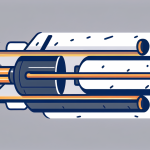
Carbon composite materials are advanced materials made by combining carbon fibers with a matrix material. These materials offer unique properties that make them valuable in many industries. Carbon fibers are thin strands of carbon atoms, while the matrix is often a polymer resin.

The combination of these materials creates a strong, lightweight composite. This composite inherits the best qualities of both components. The carbon fibers provide strength and stiffness. The matrix binds the fibers together and helps distribute loads.
Carbon composites come in various forms. These include carbon fiber sheets, carbon fiber reinforced plastics, and carbon-carbon composites. Each type has specific uses based on its properties.
The Advantages of Using Carbon Composite Materials
Carbon composite materials offer several key advantages over traditional materials. Their high strength-to-weight ratio is perhaps their most notable feature. This makes them ideal for applications where weight reduction is crucial.
These materials also resist corrosion and fatigue better than many metals. This leads to longer-lasting parts and reduced maintenance needs. Carbon composites can also be molded into complex shapes. This flexibility in design allows for more efficient structures.
Another advantage is their thermal stability. They maintain their properties across a wide range of temperatures. This makes them suitable for use in extreme environments, from aerospace to high-performance racing.
The History and Evolution of Carbon Composite Materials
The development of carbon composite materials began in the mid-20th century. Early research focused on creating strong, lightweight materials for aerospace applications. The first carbon fibers were produced in the 1960s.
Initially, carbon composites were expensive and used mainly in specialized applications. As manufacturing techniques improved, their use expanded. The aerospace industry was an early adopter, using them in aircraft and spacecraft.
Over time, other industries recognized the benefits of carbon composites. The automotive sector began using them to reduce vehicle weight and improve fuel efficiency. Today, carbon composites are found in a wide range of products, from sports equipment to wind turbine blades.
Key Properties of Carbon Composite Materials
Durability and Strength
Carbon composite materials are known for their exceptional durability and strength. These properties make them ideal for applications that require high performance under stress. The strength of carbon composites often surpasses that of traditional materials like steel or aluminum.

The durability of carbon composites comes from their resistance to fatigue and corrosion. Unlike metals, they don’t rust or corrode when exposed to harsh environments. This means parts made from carbon composites can last longer and require less maintenance.
The strength of these materials is due to the arrangement of carbon fibers within the matrix. These fibers can be aligned in specific directions to provide strength where it’s most needed. This allows for the creation of parts that are strong in certain directions while remaining lightweight.
Lightweight and High-Tensile Characteristics
One of the most valued properties of carbon composite materials is their lightweight nature combined with high tensile strength. This combination makes them extremely useful in applications where weight reduction is critical.
Carbon fibers have a very high strength-to-weight ratio. When combined with a lightweight matrix material, the resulting composite retains this property. This allows for the creation of structures that are much lighter than their metal counterparts, but just as strong or stronger.
The high tensile strength of carbon composites means they can withstand significant pulling forces without breaking. This makes them ideal for use in applications like aerospace, where materials must withstand extreme forces while keeping weight to a minimum.
Electrical and Thermal Performance
Carbon composite materials also offer unique electrical and thermal properties. These characteristics make them valuable in a range of specialized applications. The electrical properties of carbon composites can vary depending on their composition and structure.
Some carbon composites are excellent electrical conductors. This makes them useful in applications where electrical conductivity is needed along with strength and light weight. Other composites can be designed to be electrically insulating, useful in different contexts.
Thermally, carbon composites often have low thermal expansion. This means they maintain their shape and size even when exposed to temperature changes. This property is valuable in precision applications, such as in space telescopes or high-performance racing.
Carbon composites can also be engineered to have specific thermal conductivity properties. Some composites are designed to conduct heat efficiently, while others can act as thermal insulators. This versatility allows for their use in a wide range of thermal management applications.
Carbon Composite Materials in Industry
The Role of Carbon Composite Materials in Aerospace
The aerospace industry was one of the first to adopt carbon composite materials on a large scale. These materials have revolutionized aircraft and spacecraft design. Their high strength-to-weight ratio allows for significant weight reduction in aerospace structures.

In commercial aircraft, carbon composites are used in wings, fuselages, and tail sections. This has led to lighter planes that consume less fuel, reducing operating costs and environmental impact. For example, the Boeing 787 Dreamliner uses carbon composites for about 50% of its structure.
In space applications, carbon composites are crucial. They’re used in satellite structures, rocket nozzles, and heat shields. Their ability to withstand extreme temperatures and maintain strength in space environments makes them invaluable.
The use of carbon composites in aerospace continues to grow. New manufacturing techniques are making these materials more cost-effective for wider use in the industry.
Carbon Composite Materials in Automotive Industry
The automotive industry has increasingly turned to carbon composite materials to meet demands for lighter, more fuel-efficient vehicles. These materials offer significant weight reduction without compromising on strength or safety.
High-end sports cars were early adopters of carbon fiber components. Now, carbon composites are finding their way into more mainstream vehicles. They’re used in body panels, chassis components, and interior parts.
The weight reduction achieved through carbon composites translates to improved fuel efficiency and performance. It also allows for better handling and acceleration. As manufacturing costs decrease, we’re likely to see more widespread use of these materials in cars.
Electric vehicles particularly benefit from carbon composites. The weight savings help to offset the heavy batteries, extending the range of these vehicles.
Innovative Applications of Carbon Composite Materials in Construction
The construction industry is finding innovative ways to use carbon composite materials. These materials offer unique benefits in building and infrastructure projects. Their high strength, low weight, and corrosion resistance make them attractive alternatives to traditional materials.
In bridge construction, carbon fiber reinforced polymers are used to strengthen existing structures. They can also be used in new bridges, allowing for longer spans and reduced maintenance needs. Carbon composites are also used in earthquake-resistant building designs.
Architectural applications of carbon composites are growing. They’re used in facades, roofing, and decorative elements. Their flexibility in design allows architects to create unique, lightweight structures that were previously impossible with traditional materials.
The durability of carbon composites is particularly valuable in harsh environments. They’re used in offshore structures, where corrosion resistance is crucial. As the construction industry continues to innovate, we’re likely to see more creative uses of these versatile materials.