Introduction to UD Prepreg
What is UD Prepreg?
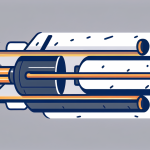
UD Prepreg, or Unidirectional Prepreg, is a composite material used in various industries. It consists of fibers aligned in one direction, pre-impregnated with resin. This unique structure gives UD Prepreg its strength and versatility.

UD Prepreg is known for its high strength-to-weight ratio. It’s lighter than many traditional materials, yet offers superior strength. This makes it ideal for aerospace, automotive, and sporting goods industries.
The ‘pre-impregnated’ nature of UD Prepreg means it’s ready to use. This saves time and ensures consistent quality in manufacturing processes. It’s a key material in advanced composite structures, offering precision and reliability.
The Importance of UD Prepreg in the Industry
UD Prepreg has become crucial in modern manufacturing. Its unique properties address many industry challenges. It allows for the creation of lightweight, yet strong components.
In aerospace, UD Prepreg helps reduce aircraft weight. This leads to improved fuel efficiency and performance. The automotive industry uses it to create lighter, more fuel-efficient vehicles.
UD Prepreg also plays a role in renewable energy. It’s used in wind turbine blades, increasing their efficiency. In sports, it’s found in high-performance equipment like tennis rackets and bicycles.
The material’s versatility makes it valuable across industries. It offers design flexibility and improved product performance. As industries seek to innovate, UD Prepreg continues to grow in importance.
Key Properties of UD Prepreg
Material Composition and Its Impact
UD Prepreg is composed of two main elements: fibers and resin. The fibers, typically carbon or glass, provide strength and stiffness. The resin, usually epoxy, binds the fibers and transfers loads between them.

The fiber orientation in UD Prepreg is crucial. All fibers align in one direction, hence the term ‘unidirectional’. This alignment gives the material exceptional strength in that direction.
The resin content in UD Prepreg is carefully controlled. It affects the material’s processing characteristics and final properties. The right balance ensures optimal performance and ease of use.
The composition of UD Prepreg can be customized. Different fiber types and resin systems can be used. This allows manufacturers to tailor the material to specific applications and requirements.
Mechanical Properties and Performance
UD Prepreg boasts impressive mechanical properties. Its unidirectional fiber alignment results in high tensile strength and stiffness. These properties are particularly pronounced in the fiber direction.
The material exhibits excellent fatigue resistance. This makes it suitable for applications involving repeated loading. It also has good impact resistance, enhancing durability in various uses.
UD Prepreg’s low density is a key advantage. It offers high specific strength and stiffness. This means it can provide the same strength as metals at a fraction of the weight.
Temperature resistance is another notable property. Depending on the resin system, UD Prepreg can withstand high temperatures. This expands its potential applications in challenging environments.
UD Prepreg Applications
UD Prepreg finds extensive use in aerospace. It’s used in aircraft structures, from wings to fuselage panels. Its high strength-to-weight ratio is crucial for fuel efficiency and performance.
In the automotive industry, UD Prepreg is gaining popularity. It’s used in body panels, chassis components, and structural parts. This helps create lighter, more fuel-efficient vehicles.
Sports equipment is another major application area. UD Prepreg is used in high-performance products like:
- Tennis rackets
- Golf club shafts
- Bicycle frames
- Hockey sticks
The material is also crucial in renewable energy. Wind turbine blades often incorporate UD Prepreg. Its properties allow for longer, more efficient blades.
Industrial applications are diverse. UD Prepreg is used in pressure vessels, bridges, and offshore structures. Its corrosion resistance and strength make it ideal for these demanding applications.
The Production Process of UD Prepreg
Raw Material Sourcing and Selection
The production of UD Prepreg begins with careful raw material selection. The choice of fibers and resin is crucial. It determines the final properties of the prepreg.

Fibers are typically carbon or glass. They’re selected based on desired strength, stiffness, and cost. High-quality fibers ensure the prepreg’s performance and reliability.
The resin system is equally important. Epoxy is common, but other types may be used. The resin affects processing characteristics and final material properties.
Suppliers are chosen based on material quality and consistency. Reliable sourcing is key to maintaining product standards. Manufacturers often have strict supplier qualification processes.
Material testing is done before production. This ensures the raw materials meet specifications. It’s a critical step in quality control and final product performance.
The Manufacturing Process
The UD Prepreg manufacturing process is complex and precise. It starts with fiber preparation. The fibers are carefully aligned to ensure unidirectional orientation.
Next is the impregnation stage. The aligned fibers are passed through a resin bath. This coats them evenly with the chosen resin system. The resin content is carefully controlled.
After impregnation, the material goes through a partial curing process. This is called B-staging. It makes the prepreg tacky and easy to handle.
The prepreg is then wound onto rolls or cut into sheets. This depends on the final application. Proper storage is crucial at this stage to prevent premature curing.
Throughout the process, strict environmental controls are maintained. Temperature and humidity affect the prepreg’s properties. Consistent conditions ensure product quality.
Quality Control and Certification
Quality control is paramount in UD Prepreg production. It starts with incoming material inspection. Raw materials are tested to ensure they meet specifications.
During production, various parameters are monitored. These include fiber alignment, resin content, and degree of cure. Regular sampling and testing are conducted.
The final product undergoes rigorous testing. This includes mechanical property tests and visual inspections. Any defects or inconsistencies are identified and addressed.
Certification is a critical aspect of UD Prepreg production. Many industries require specific certifications. These ensure the material meets performance and safety standards.
Manufacturers often work with certification bodies. They ensure compliance with industry standards. This may include aerospace certifications like AS9100 or automotive standards.
Continuous improvement is part of quality control. Manufacturers regularly review and update their processes. This helps maintain high standards and stay competitive in the market.