The Role of Head Tube Design in Bicycle Aerodynamics
Exploring the Impact of Head Tube Shape on Airflow
Head tube shape plays a crucial role in a bike’s aerodynamic performance. A well-designed head tube can significantly reduce drag, allowing cyclists to ride faster and more efficiently. Tapered tubes have become increasingly popular in recent years. They offer a sleek profile that cuts through the air more effectively than traditional straight tubes.

The shape of the head tube affects how air flows around the front of the bike. A tapered design helps to smooth this airflow, reducing turbulence and drag. This is especially important at higher speeds, where air resistance becomes a major factor. By optimizing the head tube shape, bike manufacturers can create bikes that require less effort to maintain speed.
Some brands are now using computational fluid dynamics (CFD) to fine-tune their head tube designs. This advanced technology allows them to simulate and analyze airflow patterns. The result is head tubes that offer the best possible aerodynamic performance without compromising other aspects of the bike’s design.
The Balance Between Aerodynamics and Stiffness in Head Tube Design
While aerodynamics is important, it’s not the only factor to consider in head tube design. Stiffness is equally crucial for optimal cycling performance. A stiff head tube ensures precise steering and stable handling, especially at high speeds or during intense maneuvers.
Tapered head tubes offer an excellent balance between aerodynamics and stiffness. The wider lower section provides enhanced stiffness, while the narrower upper section maintains aerodynamic efficiency. This design allows for a larger diameter at the fork crown, increasing front-end stiffness without adding excessive weight.
Some manufacturers use different materials or layup techniques to further enhance stiffness. For example, they might reinforce the head tube area with additional carbon fiber layers. This approach allows them to create a head tube that’s both aerodynamic and incredibly rigid, providing the best of both worlds for cyclists.
Key Features of Head Tube Brass Plugs and Their Functions
The Essential Role of Brass Plugs in Head Tube Integrity
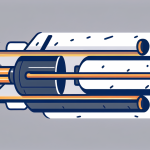
Brass plugs play a vital role in maintaining the structural integrity of bicycle head tubes. These small components might seem insignificant, but they serve several crucial functions. Firstly, brass plugs help to reinforce the head tube, preventing it from deforming under stress.

The plugs are typically inserted into the ends of the head tube during the manufacturing process. They provide a solid surface for headset bearings to sit against, ensuring proper alignment and smooth operation. Without these plugs, the thin walls of the head tube could potentially collapse under the pressure of the headset.
Brass is often chosen for these plugs due to its durability and corrosion resistance. It’s strong enough to withstand the forces exerted on the head tube, yet soft enough not to damage other components. The material’s properties make it ideal for long-term use in various weather conditions.
How Brass Plugs Contribute to Proper Head Tube Lubrication
Beyond structural support, brass plugs also play a role in the bike’s lubrication system. They help to retain grease within the head tube, ensuring smooth rotation of the fork and handlebars. This is crucial for maintaining responsive steering and preventing premature wear of the headset bearings.
The plugs often feature small channels or grooves that allow excess grease to escape. This prevents pressure buildup inside the head tube, which could potentially damage the bearings or compromise the headset’s performance. At the same time, they retain enough lubricant to keep the system running smoothly.
Regular maintenance of these brass plugs is important. They should be checked periodically for signs of wear or damage. If they become loose or worn, they should be replaced to maintain the integrity of the head tube and ensure optimal performance of the bike’s steering system.
Choosing the Right Head Tube for Your Bike
Factors to Consider When Selecting a Head Tube
Selecting the right head tube is crucial when buying or upgrading a bike. The first factor to consider is your riding style. If you’re a competitive cyclist focusing on speed, an aerodynamic tapered tube might be ideal. For mountain bikers or those tackling rough terrain, a stiffer, more robust head tube could be more suitable.

The material of the head tube is another important consideration. Aluminum is lightweight and affordable, making it a popular choice for many bikes. Carbon fiber offers an excellent strength-to-weight ratio but comes at a higher cost. Steel provides durability and a smooth ride, though it’s heavier than other options.
Size is also crucial. The head tube’s length affects the bike’s geometry and your riding position. A longer head tube raises the handlebars, providing a more upright position. This can be more comfortable for casual riders or those with back issues. Shorter head tubes create a more aggressive, aerodynamic position, favored by racers.
The Relationship Between Head Tube and Cyclist’s Comfort and Safety
The head tube plays a significant role in a cyclist’s comfort and safety. Its angle, known as the head tube angle, affects the bike’s handling characteristics. A steeper angle (closer to vertical) results in quicker, more responsive steering. This is often preferred in road bikes for precise control at high speeds.
A slacker angle (further from vertical) provides more stable handling, especially at high speeds or on rough terrain. This is why mountain bikes often have slacker head tube angles. It helps maintain control on descents and over obstacles. However, it can make low-speed maneuvering more challenging.
The head tube’s stiffness also impacts comfort and safety. A stiffer head tube provides more precise steering and better power transfer. However, it can also transmit more road vibration to the rider. Some designs strike a balance by varying the stiffness along the tube’s length, providing rigidity where needed while still offering some vibration damping.
In conclusion, understanding head tube geometry is crucial for optimizing cycling performance. From aerodynamics to comfort and safety, the head tube influences many aspects of a bike’s behavior. By considering factors like shape, material, and size, cyclists can choose a head tube that best suits their riding style and preferences.