Understanding Carbon Fiber: Properties and Applications
What is Carbon Fiber?
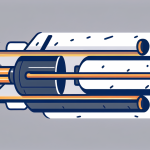
Carbon fiber is a high-strength, lightweight material made from thin strands of carbon. It’s known for its incredible strength-to-weight ratio. This makes it popular in aerospace, automotive, and sports equipment industries. Carbon fiber is created by heating carbon-rich fibers to extremely high temperatures. This process aligns the atoms, creating a strong crystalline structure. The result is a material that’s five times stronger than steel, yet much lighter. It’s also highly resistant to chemicals and temperature changes. These properties make carbon fiber ideal for DIY projects that require strength and low weight.

The Benefits of Using Carbon Fiber in DIY
Using carbon fiber in DIY projects offers several advantages. First, its strength allows for creating durable items that can withstand stress and impact. This is great for projects like custom car parts or sturdy furniture. Second, its lightweight nature makes it perfect for portable items or reducing overall weight in larger builds. Third, carbon fiber has a sleek, modern appearance that adds a professional touch to any project. It’s also versatile, able to be molded into various shapes and forms. Lastly, working with carbon fiber can be a rewarding challenge, helping DIY enthusiasts develop new skills and techniques.
Common Uses of Carbon Fiber in Crafting and Modeling
Carbon fiber finds numerous applications in DIY crafting and modeling. Here are some popular uses:
- Automotive customization: body panels, interior trim, and spoilers
- RC (remote control) vehicles: frames, propellers, and chassis components
- Drone building: frames and propeller blades
- Jewelry making: rings, pendants, and bracelets
- Musical instruments: guitar picks, drum shells, and instrument cases
- Home decor: tabletops, wall art, and lamp shades
- Sports equipment: fishing rods, bike frames, and skateboard decks
- Cosplay and prop making: armor pieces, weapon replicas, and costume accessories
These projects showcase the versatility of carbon fiber in DIY applications.
How to Select Quality Carbon Fiber Sheets
Key Factors to Consider When Purchasing Carbon Fiber Sheets
When buying carbon fiber sheets for your DIY projects, keep these factors in mind:

- Thickness: Sheets come in various thicknesses. Choose based on your project’s needs.
- Weave pattern: Common patterns include plain, twill, and satin. Each affects appearance and strength.
- Fiber type: T300 and 3K are popular for DIY. Higher grades offer more strength but cost more.
- Resin content: This affects the sheet’s workability and final properties.
- Size: Ensure the sheet dimensions fit your project requirements.
- Finish: Some sheets come pre-finished, while others need additional work.
- Flexibility: Consider how pliable the sheet needs to be for your application.
- Price: Balance quality with your budget constraints.
Understanding these factors helps in selecting the right carbon fiber sheet for your needs.
Comparing Carbon Fiber Brands and Suppliers
When choosing carbon fiber sheets, it’s crucial to compare different brands and suppliers. Look for reputable companies with positive customer reviews. Some well-known brands include Rockwest Composites, DragonPlate, and Easy Composites. These offer a range of products suitable for DIY projects. Check if the supplier provides detailed product specifications and customer support. Compare prices, but remember that the cheapest option isn’t always the best. Look for suppliers offering sample packs. These allow you to test different types before committing to a larger purchase. Online marketplaces like Amazon and eBay also stock carbon fiber sheets. However, be cautious and verify the seller’s credibility before buying.
Spotting the Signs of Low-Quality Carbon Fiber Sheets
Identifying low-quality carbon fiber sheets is crucial for successful DIY projects. Here are some red flags:
- Inconsistent weave pattern: High-quality sheets have uniform weaves.
- Visible defects: Look for bubbles, wrinkles, or gaps in the fibers.
- Excessive resin: Too much resin can make the sheet heavy and brittle.
- Poor fiber alignment: Misaligned fibers reduce strength and appearance.
- Uneven thickness: The sheet should have consistent thickness throughout.
- Fraying edges: Quality sheets have clean, well-finished edges.
- Lack of flexibility: Good carbon fiber sheets should have some flexibility.
- Dull appearance: High-quality carbon fiber has a distinctive glossy look.
Avoid sheets with these issues to ensure the best results in your projects.
Carbon Fiber Sheets and Colors: A Creative Guide
Innovative Ways to Color Your Carbon Fiber Projects
Adding color to carbon fiber projects can enhance their visual appeal. Here are some innovative techniques:

- Colored resins: Mix pigments into the resin before applying to the carbon fiber.
- Dye sublimation: Use heat to transfer dye onto the surface of the carbon fiber.
- Hydro dipping: Create unique patterns by dipping the carbon fiber in water with floating paint.
- Vinyl wrapping: Apply colored vinyl films for a temporary or changeable finish.
- Airbrushing: Use special paints designed for carbon fiber to create custom designs.
- Tinted clear coats: Apply colored clear coats for a translucent effect.
- Fabric overlays: Layer colored fabrics over the carbon fiber during layup.
- LED integration: Embed LED lights for a high-tech, colorful appearance.
These methods allow for creative expression while maintaining the carbon fiber’s properties.
Matching Colors: Tips for DIYers and Artists
Matching colors in carbon fiber projects requires careful consideration. Here are some tips:
- Use a color wheel to find complementary or contrasting colors.
- Consider the project’s purpose and environment when choosing colors.
- Test colors on small samples before applying to the entire project.
- Remember that carbon fiber’s natural color can affect the final appearance.
- Use neutral colors like black or gray for a classic carbon fiber look.
- Bright colors like red or blue can create striking contrasts with carbon fiber.
- Metallic colors can enhance the high-tech appearance of carbon fiber.
- Consider color psychology when selecting hues for your project.
These tips help create visually appealing and cohesive carbon fiber creations.
Maintaining the Aesthetics of Your Carbon Fiber Creations
Preserving the beauty of your carbon fiber projects is essential. Follow these maintenance tips:
- Clean regularly with a soft, damp cloth to remove dust and dirt.
- Avoid harsh chemicals that can damage the surface or color.
- Use specialized carbon fiber cleaners for tough stains.
- Apply a UV-resistant clear coat to prevent fading and yellowing.
- Store items away from direct sunlight when not in use.
- Handle with care to prevent scratches or chips in the finish.
- Touch up small imperfections promptly to prevent further damage.
- Reapply clear coats periodically to maintain shine and protection.
With proper care, your carbon fiber creations will maintain their aesthetic appeal for years to come.