Introduction to Fiberglass in Engineering
Understanding Fiberglass Materials
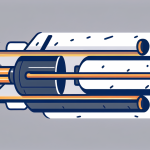
Fiberglass is a versatile material made from fine glass fibers. It’s known for its strength and lightweight nature. Fiberglass rods and poles are popular in various industries. They come in different sizes, like 1/2 inch diameter and 8ft length.
Fiberglass is made by heating glass to a molten state. Then, it’s extruded into thin fibers. These fibers are woven together and coated with resin. This process creates a strong, durable material.
Fiberglass rods have a high strength-to-weight ratio. They resist corrosion and extreme temperatures. These properties make them ideal for many applications. From construction to sports equipment, fiberglass is widely used.
Advantages of Using Fiberglass in Construction
Fiberglass offers many benefits in construction. Here are some key advantages:
- Lightweight: Fiberglass is much lighter than steel or wood. This makes it easier to transport and install.
- Durability: It resists corrosion, rot, and insect damage. This leads to longer-lasting structures.
- Strength: Despite being light, fiberglass is incredibly strong. It can withstand high loads and impacts.
- Low maintenance: Fiberglass doesn’t rust or decay. It requires minimal upkeep over time.
- Insulation: It has excellent thermal and electrical insulating properties.
- Flexibility: Fiberglass can be molded into various shapes and sizes.
These advantages make fiberglass a popular choice in construction. It’s used in roofing, insulation, and reinforcement. Fiberglass poles and rods are common in temporary structures and scaffolding.
Comparative Analysis of Fiberglass with Other Materials
Strength and Durability Comparisons
Fiberglass rods and poles stand out when compared to other materials. Let’s look at how they stack up:

- vs. Steel: Fiberglass is lighter but still very strong. It doesn’t rust like steel.
- vs. Wood: Fiberglass is more durable and doesn’t rot or warp.
- vs. Aluminum: Fiberglass has better fatigue resistance and insulating properties.
- vs. Carbon Fiber: Fiberglass is more cost-effective, though slightly less strong.
Fiberglass rods, especially 1/2 inch and 8ft lengths, are popular in construction. They offer a good balance of strength and weight. Fiberglass poles can withstand high winds and harsh weather.
In terms of longevity, fiberglass often outperforms other materials. It doesn’t degrade from UV exposure like some plastics. It also resists chemical corrosion better than many metals.
Cost-Effectiveness and ROI
When considering materials, cost is a crucial factor. Fiberglass offers excellent value for money. Here’s why:
- Initial Cost: Fiberglass is often cheaper than metals like steel or aluminum.
- Installation: Its lightweight nature reduces labor costs during installation.
- Maintenance: Fiberglass requires less upkeep, saving money over time.
- Longevity: Its durability means less frequent replacements.
- Energy Efficiency: Fiberglass’s insulating properties can lower energy costs.
For example, 1/2 inch fiberglass rods or 8ft fiberglass poles are cost-effective choices. They’re used in construction, marine applications, and more. The initial investment often pays off due to their long lifespan.
However, it’s important to note that high-grade fiberglass can be pricier. But even then, its long-term benefits often justify the cost. When calculating ROI, consider the total lifecycle cost, not just the upfront price.
Environmental Impact and Sustainability
Sustainability is a growing concern in material selection. Fiberglass has both pros and cons in this area:
Pros:
- Long lifespan reduces waste
- Energy-efficient production compared to some metals
- Recyclable, though the process can be complex
- Helps reduce energy consumption in buildings (when used for insulation)
Cons:
- Made from non-renewable resources (glass and resin)
- Production process involves some harmful chemicals
- Not biodegradable
Compared to wood, fiberglass doesn’t deplete forests. Unlike metals, it doesn’t require mining. However, its production does have an environmental impact.
Efforts are being made to make fiberglass more eco-friendly. Some manufacturers use recycled glass. Others are developing bio-based resins. These innovations aim to reduce the environmental footprint of fiberglass.
Real-World Applications and Case Studies
Success Stories of Fiberglass in the Industry
Fiberglass has proven its worth in various industries. Here are some success stories:

- Construction: A high-rise building in Dubai used fiberglass rods for reinforcement. This reduced the overall weight and improved earthquake resistance.
- Marine: A yacht manufacturer switched to fiberglass poles for masts. This increased durability and reduced maintenance costs.
- Aerospace: An aircraft company used fiberglass components to reduce weight. This led to improved fuel efficiency and lower emissions.
- Energy: Wind turbine blades made from fiberglass withstood extreme weather conditions. This increased the lifespan and efficiency of wind farms.
- Sports: A pole vault manufacturer used 1/2 inch fiberglass rods. Athletes achieved better performance due to the material’s flexibility and strength.
These cases show how versatile fiberglass can be. From 8ft poles in construction to thin rods in sports equipment, it excels in many applications.
Lessons Learned from Fiberglass Implementations
Implementing fiberglass has taught the industry valuable lessons:
- Proper design is crucial: Fiberglass performs best when engineered correctly for its application.
- Quality matters: High-grade fiberglass outperforms cheaper alternatives in the long run.
- Installation expertise is important: Proper handling and installation maximize fiberglass benefits.
- Regular inspection helps: While low-maintenance, periodic checks ensure optimal performance.
- Environmental considerations are necessary: Proper disposal and recycling plans should be in place.
These lessons have helped improve fiberglass use across industries. They’ve led to better products and more efficient applications of the material.
Future Prospects for Fiberglass Technology
The future looks bright for fiberglass technology. Here are some exciting prospects:
- Smart fiberglass: Embedding sensors in fiberglass rods for real-time monitoring.
- Nano-enhanced fiberglass: Improving strength and flexibility at the molecular level.
- Bio-based resins: Developing more environmentally friendly production methods.
- 3D-printed fiberglass: Creating complex shapes with less waste.
- Hybrid materials: Combining fiberglass with other materials for enhanced properties.
These advancements could make fiberglass even more versatile. From stronger 1/2 inch rods to more durable 8ft poles, the possibilities are vast.
As sustainability becomes more critical, fiberglass may play a bigger role. Its long lifespan and efficiency make it a promising material for the future.
In conclusion, fiberglass rods and poles offer unique advantages. They balance strength, weight, and cost-effectiveness. As technology advances, fiberglass will likely become even more valuable in various industries.