Understanding Fiberglass Tubes: An Introduction
What Are Fiberglass Tubes?
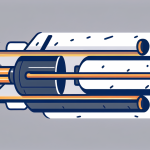
Fiberglass tubes are cylindrical structures made from glass fiber reinforced plastic. They combine the strength of glass fibers with the flexibility of plastic resins. These tubes are lightweight yet durable, making them ideal for various construction applications.

Fiberglass tubes come in different sizes and shapes. They can be hollow or solid, depending on their intended use. The manufacturing process involves winding glass fibers around a mandrel. Then, resin is applied to bind the fibers together.
These tubes offer excellent resistance to corrosion and chemicals. They also have low thermal conductivity. This makes them suitable for both indoor and outdoor use in construction projects.
Advantages of Using Fiberglass Tubes in Construction
Fiberglass tubes offer numerous benefits in construction. Their lightweight nature makes them easy to transport and install. This can significantly reduce labor costs and construction time.
Despite being light, these tubes are incredibly strong. They can withstand high loads and pressures. This makes them suitable for structural applications. Fiberglass tubes also resist corrosion, unlike metal alternatives. This extends their lifespan and reduces maintenance needs.
Another advantage is their versatility. Fiberglass tubes can be easily cut, drilled, and shaped. This allows for custom designs and applications. They also offer excellent insulation properties. This can help improve energy efficiency in buildings.
Applications of Fiberglass Tubes in Building Design
Structural Support with Fiberglass Tubes
Fiberglass tubes play a crucial role in providing structural support in construction. Their high strength-to-weight ratio makes them ideal for load-bearing applications. They can be used as columns, beams, or reinforcement in concrete structures.
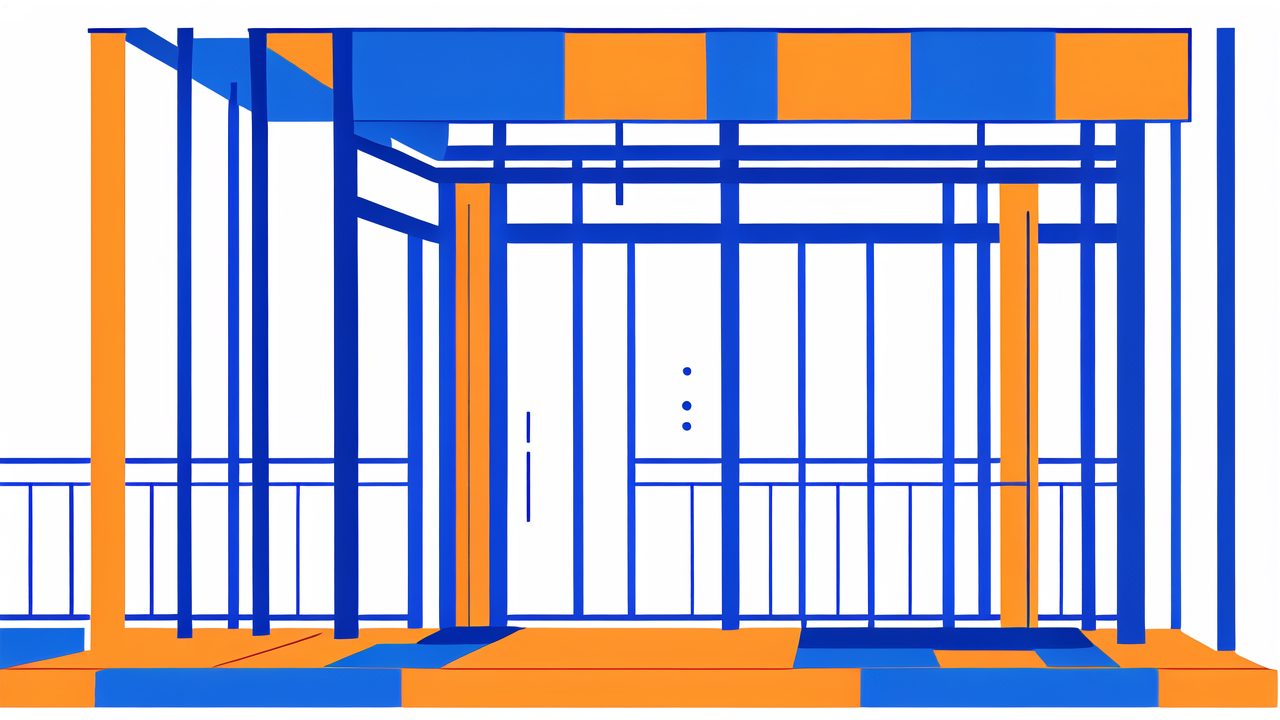
In bridges, fiberglass tubes can replace traditional steel reinforcements. This increases the structure’s lifespan due to their corrosion resistance. They’re also used in the construction of lightweight yet sturdy scaffolding.
Fiberglass tubes are excellent for creating frames for geodesic domes. These structures are known for their strength and efficiency. The tubes’ flexibility allows for creative architectural designs without compromising on stability.
Insulation and Soundproofing with Fiberglass Tubes
Fiberglass tubes excel in insulation and soundproofing applications. Their low thermal conductivity makes them ideal for temperature control in buildings. They can be used in walls, ceilings, and floors to maintain comfortable indoor temperatures.
In HVAC systems, fiberglass tubes can insulate ductwork. This improves energy efficiency by reducing heat loss or gain. They also help in noise reduction, making HVAC systems quieter.
For soundproofing, hollow fiberglass tubes can be filled with sound-absorbing materials. These can be installed in walls or ceilings to reduce noise transmission between rooms. This is particularly useful in multi-family housing or office buildings.
Creative Design Ideas Incorporating Fiberglass Tubes
Fiberglass tubes offer exciting possibilities for creative architectural designs. Their versatility allows architects to think outside the box. They can be used to create unique structural elements or decorative features.
In modern buildings, exposed fiberglass tubes can serve as both functional and aesthetic elements. They can be used to create visually striking support structures. Colored or patterned tubes can add artistic flair to interiors or exteriors.
Fiberglass tubes can also be used to create innovative lighting solutions. Hollow tubes can house LED strips, creating diffused lighting effects. This can be particularly striking in large, open spaces or as part of exterior designs.
Best Practices for Installing Fiberglass Tubes
Preparation and Safety Considerations
Proper preparation is crucial when working with fiberglass tubes. First, ensure you have the right tools for cutting and shaping the tubes. These may include circular saws, drill bits, and sanders designed for fiberglass.

Safety should be a top priority. Always wear protective gear, including:
- Safety goggles
- Dust mask or respirator
- Gloves
- Long-sleeved shirt and pants
Fiberglass can cause skin irritation and respiratory issues if proper precautions aren’t taken. Work in a well-ventilated area to minimize dust inhalation. Have a first aid kit nearby in case of accidents.
Before installation, inspect the tubes for any defects or damage. Plan your installation carefully, marking cut lines and drilling points in advance. This helps ensure accuracy and reduces waste.
Step-by-Step Guide to Installing Fiberglass Tubes
- Measure and mark: Carefully measure where the tubes will be installed. Mark cut lines clearly.
- Cut the tubes: Use a fine-toothed saw to cut the tubes to size. Cut slowly to avoid splintering.
- Sand the edges: Smooth any rough edges with fine-grit sandpaper.
- Drill holes: If needed, drill holes for fasteners or fittings. Use a drill bit designed for fiberglass.
- Clean the tubes: Remove any dust or debris with a damp cloth.
- Apply adhesive: If using adhesive, apply it evenly to the tube or mounting surface.
- Position the tubes: Carefully place the tubes in their final position.
- Secure the tubes: Use appropriate fasteners or allow adhesive to cure.
- Seal joints: Apply sealant to any joints or connections for added strength and water resistance.
- Clean up: Dispose of any fiberglass dust or debris properly.
Tips for Maintaining and Sustainable Practices
To ensure longevity, regularly inspect fiberglass tubes for signs of wear or damage. Clean them periodically with mild soap and water. Avoid using harsh chemicals that could degrade the material.
For outdoor applications, consider applying a UV-resistant coating. This helps protect the tubes from sun damage and extends their lifespan. If repainting is necessary, use paints compatible with fiberglass.
When it comes to sustainability, fiberglass tubes offer several advantages:
- They’re long-lasting, reducing the need for frequent replacements.
- Their lightweight nature reduces transportation emissions.
- Many fiberglass products can be recycled at the end of their life.
To maximize sustainability, consider using recycled fiberglass tubes when possible. Properly dispose of any waste during installation. Look for manufacturers who use eco-friendly production methods.
By following these best practices, you can ensure safe, effective, and sustainable use of fiberglass tubes in construction projects. Their versatility and durability make them an excellent choice for modern building designs.