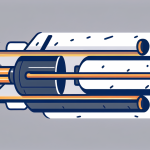
The Science of Carbon Fiber and Resin Bonding
What Are Carbon Fiber and Resin?
Carbon fiber is a lightweight, strong material made from thin strands of carbon. It’s known for its high strength-to-weight ratio. Carbon fiber can be woven into fabric or used as chopped fibers.

Resin is a sticky substance that hardens when cured. It acts as a binder, holding carbon fibers together. Common types include epoxy, polyester, and vinyl ester resins.
When combined, carbon fiber and resin form a composite material. This composite is stronger than either component alone. It’s used in many industries for its strength and light weight.
The Chemical Reactions That Make Carbon Fiber and Resin a Power Couple
The magic happens when carbon fiber and resin come together. The resin starts as a liquid. It flows around and between the carbon fibers. This process is called ‘wetting out’.
As the resin cures, it forms strong chemical bonds with the carbon fibers. This bonding process is called ‘crosslinking’. It creates a rigid, three-dimensional structure.
The result is a material that’s stronger than steel but much lighter. The carbon fibers provide strength and stiffness. The resin transfers loads between fibers and protects them from damage.
Optimal Conditions for Carbon Fiber and Resin Adhesion
Getting the best bond between carbon fiber and resin requires careful control. Temperature is crucial. Too cold, and the resin won’t flow well. Too hot, and it might cure too quickly.
Pressure is also important. It helps remove air bubbles and ensures good contact between fibers and resin. The right amount of pressure depends on the specific materials used.
Time is another factor. The resin needs enough time to fully wet out the fibers. But it shouldn’t take too long, or production becomes inefficient.
Cleanliness is vital too. Any dirt or oil on the carbon fibers can weaken the bond with the resin. Proper preparation of the fibers is essential for strong adhesion.
Applications of Carbon Fiber and Resin in Various Industries
Aerospace: Boosting Performance with Carbon Fiber and Resin
In aerospace, weight is money. Lighter planes use less fuel. That’s why carbon fiber and resin composites are so valuable. They’re used in many parts of modern aircraft.

Wing components often use carbon fiber composites. These materials can handle the stress of flight while keeping weight down. Tail sections and fuselage panels also benefit from these composites.
Even jet engine parts use carbon fiber and resin. Fan blades made from these materials are lighter and more efficient. They help reduce fuel consumption and emissions.
Space exploration also relies on carbon fiber composites. Satellite structures and rocket components use these materials. They provide strength without adding much weight.
Automotive: Safety and Durability Improvements from Carbon Fiber and Resin
Carbon fiber and resin are changing the auto industry. They’re making cars lighter, safer, and more fuel-efficient. Many high-end sports cars use carbon fiber bodies.
But it’s not just about speed. Carbon fiber composites are great for safety too. They can absorb more energy in a crash than steel. This helps protect passengers.
Car makers are using carbon fiber in structural parts. Roof pillars, door frames, and floor panels are all potential uses. These parts are stronger and lighter than traditional materials.
Even everyday cars are starting to use carbon fiber. Hood and trunk lids made from composites help reduce weight. This improves fuel economy without sacrificing safety.
Marine Industry: Carbon Fiber and Resin in Construction and Maintenance
The marine industry has embraced carbon fiber and resin composites. These materials resist corrosion from salt water. They’re also lighter than traditional boat-building materials.
High-performance racing boats often use carbon fiber hulls. These boats are faster and more efficient. The light weight helps them cut through water with less resistance.
But it’s not just for racing. Recreational boats benefit too. Carbon fiber masts and booms are lighter and stiffer than aluminum. This improves sailing performance.
Even large ships use carbon fiber composites. Propellers made from these materials are more efficient. They also resist cavitation damage better than metal propellers.
Future Trends in Carbon Fiber and Resin Technologies
Innovations in Carbon Fiber and Resin Production
The future of carbon fiber and resin is exciting. Researchers are working on new production methods. These could make carbon fiber cheaper and more available.

One promising area is recycling. New techniques can recover carbon fibers from old composites. This could reduce costs and environmental impact.
Researchers are also developing new types of resin. Some are designed to cure faster. Others are more environmentally friendly. These innovations could expand the use of composites.
3D printing with carbon fiber composites is another growing field. This could allow for more complex shapes and custom designs. It might revolutionize how we make composite parts.
Sustainability and Environmental Impact of Carbon Fiber and Resin Use
As carbon fiber use grows, so does concern about its environmental impact. Making carbon fiber requires a lot of energy. This can lead to high carbon emissions.
But the picture isn’t all bad. Carbon fiber products often have a long lifespan. They can replace materials that need frequent replacement. This can reduce overall environmental impact.
Recycling is becoming more important. New methods can recover carbon fibers from old products. These recycled fibers can be used in new composites.
Bio-based resins are another area of focus. These resins are made from plant materials instead of oil. They could reduce the carbon footprint of composite production.
Predicting the Next Big Use Cases for Carbon Fiber and Resin
The future of carbon fiber and resin is full of possibilities. One exciting area is infrastructure. Bridges and buildings could use carbon fiber to become stronger and lighter.
Energy production is another potential growth area. Wind turbine blades made from carbon fiber can be longer and more efficient. This could boost renewable energy production.
In healthcare, carbon fiber prosthetics are becoming more advanced. They offer strength and light weight for improved mobility. Future designs could be even more lifelike.
Even everyday products might use more carbon fiber. From furniture to electronics, these materials could make products stronger and lighter. The possibilities are endless.