Understanding Carbon Fiber Markforged Technology
The Rise of Carbon Fiber in Modern Manufacturing
Carbon fiber has become a game-changer in modern manufacturing. Its lightweight and strong properties make it ideal for many industries. Markforged has taken this material to new heights with their innovative technology.

They’ve made carbon fiber more accessible and easier to use in 3D printing. This has opened up new possibilities for product design and production. Many companies now use carbon fiber to create lighter, stronger parts.
The material’s popularity has grown due to its superior strength-to-weight ratio. It’s now used in aerospace, automotive, and sports equipment. Markforged’s technology has made it possible to create complex shapes with carbon fiber.
This advancement has led to more efficient and cost-effective manufacturing processes. It’s allowing companies to push the boundaries of what’s possible in product design and performance.
Key Features of Markforged’s Carbon Fiber Platform
Markforged’s carbon fiber platform stands out for its unique features. The continuous fiber reinforcement is a key innovation. It allows for the creation of parts that are as strong as metal, but much lighter.
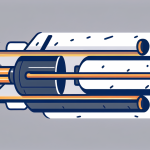
The platform uses a dual extruder system. One extruder lays down the base material, while the other adds continuous fiber. This results in parts with exceptional strength and durability.
Markforged’s software is another standout feature. It optimizes the placement of fiber for maximum strength. The software is user-friendly, making it easy for designers to create complex parts.
The platform also offers a range of materials. These include carbon fiber, fiberglass, and Kevlar. This versatility allows for the creation of parts tailored to specific needs.
Advantages of Carbon Fiber Over Traditional Materials
Carbon fiber offers several advantages over traditional materials. Its high strength-to-weight ratio is perhaps the most significant. This makes it ideal for applications where weight reduction is crucial.
The material is also highly resistant to corrosion and fatigue. This leads to longer-lasting parts and reduced maintenance costs. Carbon fiber’s thermal properties make it suitable for high-temperature environments.
Markforged’s carbon fiber technology allows for complex geometries. This is often difficult or impossible with traditional materials. The ability to create intricate designs opens up new possibilities in product development.
Carbon fiber parts can also be produced faster than traditional metal parts. This leads to shorter production times and increased efficiency. The material’s versatility makes it suitable for a wide range of applications.
Industrial Applications of Markforged Carbon Fiber
Innovative Uses in Aerospace and Defense
The aerospace and defense industries have embraced Markforged’s carbon fiber technology. Its lightweight properties make it ideal for aircraft components. These parts help reduce fuel consumption and increase payload capacity.

In defense applications, carbon fiber is used for protective gear and vehicle components. Its strength and durability make it perfect for these demanding uses. Markforged’s technology allows for rapid prototyping and production of custom parts.
Satellite components are another area where carbon fiber excels. Its stability in extreme temperatures is crucial in space applications. The material’s high strength-to-weight ratio is also vital for reducing launch costs.
Drones and unmanned aerial vehicles benefit from carbon fiber’s properties. It allows for longer flight times and increased payload capacity. Markforged’s technology enables quick design iterations for these rapidly evolving products.
Revolutionizing Automotive Manufacturing with Carbon Fiber
Carbon fiber is transforming the automotive industry. Markforged’s technology is being used to create lighter, stronger car parts. This weight reduction leads to improved fuel efficiency and performance.
Race cars have long used carbon fiber, but it’s now entering mainstream production. Body panels, chassis components, and interior parts are all being made with carbon fiber. Markforged’s platform allows for cost-effective production of these parts.
Electric vehicles particularly benefit from carbon fiber’s properties. The lighter weight helps extend battery range. Markforged’s technology enables the creation of complex battery enclosures and structural components.
Carbon fiber is also used in the production of tooling for automotive manufacturing. This leads to faster production cycles and reduced costs. The material’s durability ensures these tools last longer than traditional ones.
Carbon Fiber in The Future of Consumer Goods and Beyond
Carbon fiber is making its way into consumer goods, thanks to Markforged’s technology. Sports equipment like bicycles, tennis rackets, and golf clubs benefit from its properties. These products are lighter and more durable than their traditional counterparts.
In the world of electronics, carbon fiber is used for device casings. It provides strength and durability while keeping devices lightweight. Markforged’s platform allows for the creation of complex, custom designs.
The medical field is also exploring carbon fiber applications. Prosthetics and orthotics benefit from its strength and light weight. Markforged’s technology enables the creation of custom-fit devices for individual patients.
Even the fashion industry is incorporating carbon fiber. Accessories like watches and eyewear frames use the material. Its sleek appearance and durability make it attractive for high-end products.
Maximizing Your ROI with Markforged Carbon Fiber Solutions
Cost-Benefit Analysis of Carbon Fiber Adoption
Adopting Markforged’s carbon fiber technology requires an initial investment. However, the long-term benefits often outweigh the upfront costs. The key is to analyze the specific needs of your manufacturing process.

Carbon fiber parts typically last longer than traditional materials. This leads to reduced replacement costs over time. The material’s lightweight properties can also lead to savings in transportation and fuel costs.
The ability to create complex geometries can eliminate the need for multiple parts. This simplifies assembly and reduces overall production costs. Markforged’s technology also allows for on-demand production, reducing inventory costs.
When considering adoption, factor in the potential for new product development. Carbon fiber’s properties may open up new market opportunities. This could lead to increased revenue streams and a strong return on investment.
Streamlining Production with Markforged’s High-Tensile Materials
Markforged’s high-tensile materials can significantly streamline production processes. The ability to 3D print strong, lightweight parts reduces the need for traditional manufacturing methods. This can lead to faster production times and increased efficiency.
The platform’s software optimizes design for additive manufacturing. This reduces material waste and speeds up the production process. The ability to quickly iterate designs also leads to faster product development cycles.
Markforged’s technology allows for the consolidation of multiple parts into one. This simplifies assembly processes and reduces the potential for errors. It also leads to lighter, stronger products with improved performance.
The platform’s versatility allows for the production of both prototypes and end-use parts. This eliminates the need for separate prototyping and production processes. It results in a more streamlined, cost-effective manufacturing workflow.
Enhancing Product Durability and Performance with Carbon Fiber
Carbon fiber’s exceptional strength-to-weight ratio enhances product durability and performance. Parts made with Markforged’s technology can withstand higher loads than traditional materials. This leads to longer-lasting products and reduced maintenance needs.
The material’s fatigue resistance is particularly beneficial in high-stress applications. It maintains its properties over time, even under repeated loading. This makes it ideal for parts that undergo frequent use or cyclic loading.
Carbon fiber’s thermal stability enhances performance in extreme environments. It maintains its strength at both high and low temperatures. This opens up possibilities for use in a wide range of demanding applications.
Markforged’s continuous fiber reinforcement further enhances part strength. It allows for strategic reinforcement in high-stress areas of a part. This results in products that are optimized for their specific use case and environment.