Understanding Carbon Fiber: An Overview of Its Benefits and Applications
What Is Carbon Fiber?
Carbon fiber is a remarkable material made of thin, strong fibers of carbon. These fibers are woven into a fabric-like material. It’s then combined with resin to create a composite.

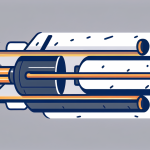
Carbon fiber tubes are lightweight and incredibly strong. They’re made by wrapping carbon fiber sheets around a mold. The result is a hollow tube with impressive properties.
These tubes are used in many industries. They’re popular in aerospace, automotive, and sports equipment. Carbon fiber’s unique blend of strength and lightness makes it ideal for these uses.
Advantages of Using Carbon Fiber Tubes in Industrial Applications
Carbon fiber tubes offer several key benefits in industrial settings:
- Strength-to-weight ratio: They’re stronger than steel but much lighter.
- Corrosion resistance: Unlike metal, carbon fiber doesn’t rust or corrode.
- Thermal properties: They can withstand high temperatures without warping.
- Flexibility: Carbon fiber tubes can be designed for specific strength needs.
- Durability: They have a long lifespan, reducing replacement costs.
These advantages make carbon fiber tubes ideal for many industrial uses. They’re especially useful in situations where weight reduction is crucial.
Common Uses of Carbon Fiber in Various Industries
Carbon fiber tubes find applications across many sectors:
- Aerospace: Used in aircraft and spacecraft for their light weight and strength.
- Automotive: Found in high-performance cars and racing vehicles.
- Sports equipment: Used in bike frames, golf clubs, and fishing rods.
- Construction: Employed for reinforcing structures and in architectural designs.
- Marine: Used in boat masts, hulls, and other marine components.
- Energy: Found in wind turbine blades and oil drilling equipment.
Each industry leverages carbon fiber’s unique properties. Its versatility makes it a go-to material for innovation and performance enhancement.
Comparing Carbon Fiber Tubes with Traditional Materials
Strength and Durability Comparison: Carbon Fiber vs. Steel and Aluminum
When comparing carbon fiber tubes to steel and aluminum, several factors stand out:

- Strength: Carbon fiber is stronger than both steel and aluminum by weight.
- Weight: Carbon fiber is much lighter, about 1/5 the weight of steel.
- Fatigue resistance: Carbon fiber outperforms both in long-term stress situations.
- Corrosion resistance: Unlike steel, carbon fiber doesn’t rust or corrode.
- Thermal expansion: Carbon fiber has a lower coefficient of thermal expansion.
These properties make carbon fiber tubes ideal for applications where strength and weight are crucial. They often outperform traditional materials in demanding environments.
Weight and Cost-Effectiveness of Carbon Fiber Tubes
While carbon fiber tubes are more expensive upfront, they offer long-term benefits:
- Weight savings: Reduce fuel costs in transportation applications.
- Longevity: Last longer than traditional materials, reducing replacement costs.
- Performance: Improve efficiency and capabilities in many applications.
- Maintenance: Require less upkeep due to corrosion resistance.
- Versatility: Can be customized for specific strength and weight requirements.
The initial cost of carbon fiber is higher than steel or aluminum. However, the long-term benefits often outweigh this. Many industries find carbon fiber tubes cost-effective over time.
Carbon Fiber Tubes vs. Traditional Materials in Specific Industries
Let’s look at how carbon fiber tubes compare in different sectors:
- Aerospace: Lighter than aluminum, allowing for fuel savings and increased payloads.
- Automotive: Stronger than steel, enabling better performance and fuel efficiency.
- Sports: Offer better vibration damping than aluminum in bike frames and golf clubs.
- Marine: More corrosion-resistant than steel, ideal for harsh saltwater environments.
- Construction: Provide higher strength-to-weight ratio than concrete reinforcement.
In each case, carbon fiber tubes offer unique advantages. They often allow for designs and performance that traditional materials can’t match.
Incorporating Carbon Fiber Tubes into Your Business Strategy
How to Evaluate the Cost-Benefit of Switching to Carbon Fiber Tubes
When considering a switch to carbon fiber tubes, follow these steps:

- Assess current material costs: Include purchase, maintenance, and replacement expenses.
- Calculate potential weight savings: Determine how this impacts your product or process.
- Consider performance improvements: Evaluate how carbon fiber’s properties benefit you.
- Analyze long-term durability: Factor in the extended lifespan of carbon fiber.
- Examine regulatory compliance: Check if carbon fiber helps meet industry standards.
By carefully weighing these factors, you can determine if carbon fiber tubes are right for you. The initial cost may be higher, but long-term benefits often justify the investment.
Innovative Applications of Carbon Fiber Tubes in Your Industry
Carbon fiber tubes open up new possibilities across industries:
- Robotics: Create lighter, more agile robotic arms and structures.
- Medical devices: Develop stronger, lighter prosthetics and mobility aids.
- Drones: Design more efficient and longer-range unmanned aerial vehicles.
- Energy storage: Build more durable and lightweight pressure vessels.
- Architecture: Create unique, strong, and lightweight building structures.
These applications showcase carbon fiber’s versatility. By thinking creatively, you can find new ways to use carbon fiber tubes in your industry.
Future Trends: The Growing Importance of Carbon Fiber Tubes
The future looks bright for carbon fiber tubes:
- Increased adoption: More industries are recognizing carbon fiber’s benefits.
- Cost reduction: Manufacturing processes are becoming more efficient.
- Recycling advances: New methods are making carbon fiber more sustainable.
- Hybrid materials: Combining carbon fiber with other materials for unique properties.
- Customization: Improved design tools allow for more tailored solutions.
As technology advances, carbon fiber tubes will likely become even more prevalent. Staying informed about these trends can help you stay competitive in your industry.
In conclusion, carbon fiber tubes offer significant advantages over traditional materials. Their unique blend of strength, lightness, and versatility makes them ideal for many applications. While the initial cost may be higher, the long-term benefits often make them a smart choice. As you consider your material options, don’t overlook the potential of carbon fiber tubes.