Understanding Carbon Fiber: A Brief Overview
What is Carbon Fiber?
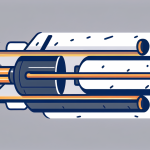
Carbon fiber is a remarkable material that’s changing the world of manufacturing. It’s made from thin strands of carbon atoms. These strands are thinner than human hair. When woven together, they create a fabric-like material.

This material is then combined with resin to form a composite. The result is incredibly strong and light. Carbon fiber is five times stronger than steel, yet it weighs much less. This makes it ideal for many applications.
Carbon fiber’s unique properties come from its structure. The carbon atoms are arranged in a specific pattern. This gives the material its strength and stiffness. It’s also resistant to heat and chemicals.
The Benefits of Using Carbon Fiber in Composites
Carbon fiber composites offer many advantages for DIY projects. Here are some key benefits:
- Strength: Carbon fiber is incredibly strong for its weight.
- Lightweight: It’s much lighter than metal alternatives.
- Durability: Carbon fiber resists corrosion and fatigue.
- Flexibility in design: It can be molded into complex shapes.
- Aesthetics: Many people love its sleek, modern look.
These properties make carbon fiber ideal for various projects. It’s great for automotive parts, sports equipment, and even furniture. DIY enthusiasts can use it to create unique, high-performance items.
Carbon fiber also has eco-friendly aspects. Its lightweight nature can improve fuel efficiency in vehicles. This helps reduce carbon emissions. Plus, carbon fiber parts often last longer than traditional materials.
DIY Carbon Fiber Manufacturing: Step by Step
Sourcing Materials for Carbon Fiber Production
To start your carbon fiber project, you’ll need the right materials. Here’s what you’ll need:

- Carbon fiber fabric: This is the base material.
- Epoxy resin: It binds the carbon fibers together.
- Hardener: This helps the resin cure.
- Release agent: It prevents the composite from sticking to molds.
- Mold: This shapes your final product.
You can find these materials at specialty stores or online. Look for suppliers that cater to DIY enthusiasts. They often offer starter kits with everything you need.
When choosing materials, consider your project’s needs. Different weaves of carbon fiber suit different applications. The type of resin matters too. Some are better for strength, others for flexibility.
Remember, quality matters. Good materials lead to better results. Don’t skimp on important components like resin or hardener.
The Manufacturing Process: A Streamlined Approach
Creating carbon fiber composites at home is easier than you might think. Here’s a simplified process:
- Prepare your mold: Clean it and apply a release agent.
- Cut the carbon fiber fabric to size.
- Mix the resin and hardener according to instructions.
- Lay the fabric in the mold and apply the resin mixture.
- Use a roller to remove air bubbles and ensure even coverage.
- Add more layers if needed, repeating steps 4 and 5.
- Allow the composite to cure according to the resin’s specifications.
- Remove from the mold and trim any excess.
This process is called “wet layup.” It’s the simplest method for DIY projects. More advanced techniques exist, but this is a great starting point.
Take your time with each step. Rushing can lead to mistakes. Pay special attention to removing air bubbles. They can weaken your final product.
Ensuring Quality in Your Carbon Fiber
Quality control is crucial in carbon fiber manufacturing. Here are some tips to ensure your DIY projects turn out great:
- Mix resin accurately: Use precise measurements for the best results.
- Work in a clean, dust-free environment.
- Maintain consistent temperature and humidity during curing.
- Use proper safety gear: gloves, respirator, and eye protection.
- Practice on small projects before tackling larger ones.
Inspect your work at each stage. Look for even resin distribution and no air bubbles. After curing, check for any weak spots or delamination.
Don’t be discouraged if your first attempts aren’t perfect. Carbon fiber work takes practice. Each project will improve your skills.
Remember, proper curing is key to strength. Follow the resin manufacturer’s instructions carefully. Rushed curing can lead to weak spots.
Carbon Fiber Applications: Creative Ideas and Projects
Innovative Uses of Carbon Fiber in Home Projects
Carbon fiber isn’t just for high-tech industries. DIY enthusiasts can use it for amazing home projects. Here are some ideas:

- Custom furniture: Create sleek, modern tables or chairs.
- Decorative items: Make unique wall art or sculptures.
- Kitchen upgrades: Craft custom knife handles or cutting boards.
- Home office accessories: Design stylish desk organizers or laptop stands.
- Bathroom fixtures: Create unique soap dishes or toothbrush holders.
These projects combine form and function. They showcase carbon fiber’s strength and beauty. Start with smaller items to build your skills. Then move on to more complex projects.
Carbon fiber can also enhance existing items. Try adding carbon fiber accents to wooden furniture. Or create custom casings for electronics. The possibilities are endless with some creativity.
Remember to balance aesthetics with practicality. Carbon fiber looks great, but it should also serve a purpose in your projects.
Carbon Fiber in the Automotive World: DIY Mods and Upgrades
Car enthusiasts love carbon fiber for good reason. It’s perfect for DIY automotive projects. Here are some popular mods:
- Body panels: Replace heavy metal parts with lightweight carbon fiber.
- Interior trim: Create custom dashboard or door panel accents.
- Spoilers and wings: Design aerodynamic upgrades.
- Engine bay covers: Make your engine look as good as it performs.
- Shifter knobs and steering wheels: Add a racing feel to your car’s interior.
These mods can improve both performance and style. Lighter body panels can boost speed and fuel efficiency. Custom interior pieces add a personal touch to your ride.
Start with simpler projects like interior trim. As you gain confidence, try more complex parts. Always ensure your mods are road-legal and safe.
Remember, fitment is crucial in automotive projects. Measure carefully and create templates before cutting carbon fiber.
Crafting and Art: Incorporating Carbon Fiber into Creations
Carbon fiber isn’t just for functional items. It’s also a unique medium for art and crafts. Here are some creative ideas:
- Jewelry: Create modern, lightweight necklaces or bracelets.
- Sculpture: Combine carbon fiber with other materials for striking art pieces.
- Musical instruments: Craft durable, resonant parts for guitars or drums.
- Photography equipment: Make custom tripods or camera grips.
- Cosplay props: Design lightweight, strong costume pieces.
These projects showcase carbon fiber’s versatility. Its strength allows for delicate designs that would be impossible with other materials.
Experiment with different finishes. Carbon fiber can be polished to a high shine or left matte. You can also add color to the resin for unique effects.
Remember to let your creativity flow. Carbon fiber’s unique properties can inspire new forms of art and craft. Don’t be afraid to try unconventional ideas.