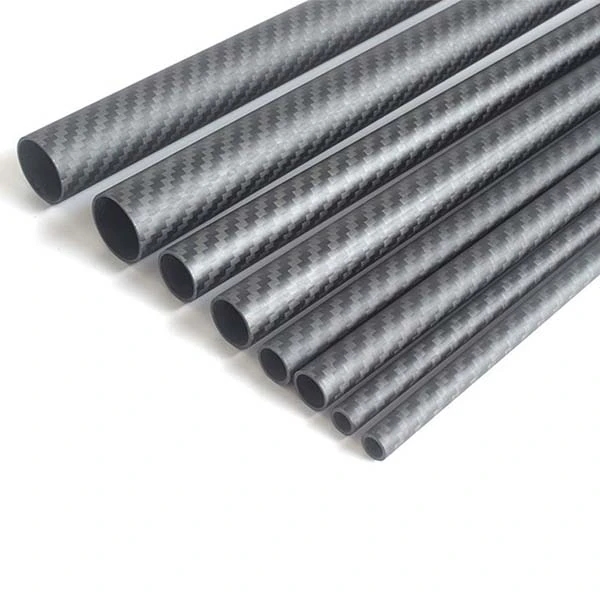
Exploring Carbon Fiber Components: Tubing, Connectors, and Boards

Table of Contents

What Is Carbon Fiber? An Introduction to Its Composition and Uses

Understanding Carbon Fiber Materials

Carbon fiber is a remarkable material known for its strength and lightweight properties. It’s made from thin strands of carbon atoms bonded together in a crystal alignment. These fibers are thinner than human hair but incredibly strong. They’re typically woven into a fabric or combined with resin to form composite materials.

Modern minimalist machine with carbon fiber board featuring carbon fiber parts

Carbon fiber materials come in various forms:

  • Carbon fiber tape
  • Carbon fiber tubing
  • Carbon fiber fabric
  • Carbon fiber sheets
  • Carbon fiber board

Each form has unique properties and applications. The versatility of carbon fiber makes it ideal for industries ranging from aerospace to sports equipment manufacturing.

The Benefits of Carbon Fiber in Construction and Industry

Carbon fiber offers numerous advantages in construction and industry:

  1. Strength-to-weight ratio: It’s stronger than steel but much lighter.
  2. Corrosion resistance: Unlike metal, it doesn’t rust or corrode.
  3. Thermal stability: It maintains its properties under extreme temperatures.
  4. Flexibility: It can be molded into complex shapes.
  5. Durability: It has a long lifespan with minimal maintenance.

These benefits make carbon fiber an excellent choice for structural reinforcement, automotive parts, and aerospace components. Its use can lead to lighter, stronger, and more efficient designs in various applications.

The Role of Carbon Fiber in Modern Engineering and Construction

Carbon Fiber Tubing: Applications in Various Industries

Carbon fiber tubing is a versatile component used in many industries. In aerospace, it’s used for lightweight structural elements. In sports, it’s found in bicycle frames and golf club shafts. The automotive industry uses it for drive shafts and roll cages.

Futuristic train with carbon fiber tube connectors in a vibrant blue and gray scheme

Key advantages of carbon fiber tubing include:

  • High strength-to-weight ratio
  • Excellent fatigue resistance
  • Low thermal expansion
  • Vibration damping properties

These properties make carbon fiber tubing ideal for applications requiring strength, lightness, and precision. It’s also used in robotics, medical devices, and even in the construction of wind turbine blades.

Connectors and Fasteners: Enhancing Carbon Fiber Structures

Carbon fiber tube connectors play a crucial role in assembling carbon fiber structures. They allow for the creation of complex frameworks and modular designs. These connectors come in various types:

  • Bonded joints
  • Mechanical fasteners
  • Welded connections
  • Adhesive joints

Choosing the right connector is essential for maintaining the strength and integrity of carbon fiber structures. Factors to consider include load requirements, environmental conditions, and ease of assembly or disassembly.

Proper use of connectors ensures that carbon fiber components can be joined without compromising their strength or introducing weak points. This is crucial in applications where safety and reliability are paramount.

Carbon Fiber Boards: Durability and Lightweight Design

Carbon fiber boards are thin, flat panels made from carbon fiber composites. They offer an excellent balance of strength, stiffness, and light weight. These boards find applications in:

  1. Aerospace interiors
  2. Marine decking
  3. Automotive body panels
  4. Sporting goods
  5. Industrial tooling

Carbon fiber boards can be customized in thickness, size, and finish to suit specific needs. They’re often used as a lightweight alternative to metal or wood in situations where weight reduction is crucial.

The durability of carbon fiber boards makes them ideal for high-wear applications. They resist impacts, fatigue, and environmental factors better than many traditional materials. This longevity can lead to reduced maintenance costs over time.

Best Practices for Using Carbon Fiber Components

Selecting the Right Carbon Fiber Materials for Your Project

Choosing the right carbon fiber material is crucial for project success. Consider these factors:

carbon fiber tube connectors, Carbon Fiber Components with AI logo on sleek gray device, pink background

  1. Strength requirements
  2. Weight limitations
  3. Environmental conditions
  4. Budget constraints
  5. Manufacturing process

For high-strength applications, unidirectional carbon fiber might be best. For complex shapes, woven carbon fiber fabric could be more suitable. Carbon fiber sheets or boards work well for flat or slightly curved surfaces.

Always consult with material suppliers or engineers when selecting carbon fiber components. They can provide valuable insights into the best materials for your specific application. Remember, the right choice can significantly impact the performance and longevity of your project.

Installation Techniques for Carbon Fiber Tubing and Boards

Proper installation is key to maximizing the benefits of carbon fiber components. For carbon fiber tubing:

  1. Use appropriate connectors or adhesives
  2. Avoid over-tightening, which can damage the fibers
  3. Ensure proper alignment to prevent stress concentrations
  4. Use protective coatings if exposed to harsh environments

When working with carbon fiber boards:

  1. Use sharp tools to prevent fraying or delamination
  2. Apply even pressure when bonding to other surfaces
  3. Allow for thermal expansion in large installations
  4. Use appropriate fasteners designed for composite materials

Always follow manufacturer guidelines for installation. Improper techniques can compromise the strength and integrity of carbon fiber components. When in doubt, consult with experts or consider professional installation.

Maintenance and Sustainability: Carbon Fiber in the Long Term

Carbon fiber components require minimal maintenance, but proper care can extend their lifespan. Regular inspections can identify potential issues early. Look for:

  • Signs of delamination
  • Cracks or chips
  • Loose connectors or fasteners
  • Surface wear or damage

Clean carbon fiber components with mild soap and water. Avoid harsh chemicals that could degrade the material. For added protection, consider applying a UV-resistant clear coat to exposed surfaces.

In terms of sustainability, carbon fiber has both advantages and challenges:

Advantages:

  • Long lifespan reduces replacement frequency
  • Lightweight nature can improve fuel efficiency in transportation

Challenges:

  • Energy-intensive production process
  • Limited recycling options currently available

Efforts are underway to improve carbon fiber recycling and reduce production energy costs. As these technologies advance, the sustainability of carbon fiber is likely to improve. Consider the full lifecycle impact when choosing carbon fiber for your projects.

Facebook
Twitter
LinkedIn

Get A Quote