Understanding Resin Carbon: Definition and Applications
The Concept of Resin Carbon
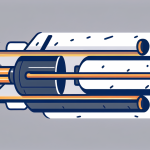
Resin carbon is a cutting-edge material that combines the strength of carbon fibers with the versatility of resin. It’s created by embedding carbon fibers in a resin matrix. This process results in a lightweight, yet incredibly strong composite material. Resin carbon offers a unique blend of properties. It’s known for its high strength-to-weight ratio, making it ideal for applications where weight reduction is crucial. The material also boasts excellent resistance to corrosion and fatigue. These qualities have made resin carbon a go-to choice in various industries. From aerospace to automotive, resin carbon is revolutionizing product design and manufacturing processes.

Diverse Industries Utilizing Resin Carbon
Resin carbon has found its way into numerous industries, each leveraging its unique properties. In aerospace, it’s used to create lighter aircraft components, improving fuel efficiency. The automotive sector uses resin carbon for body panels and structural parts, reducing vehicle weight. In the sporting goods industry, resin carbon is popular for high-performance equipment like tennis rackets and bicycles. The marine industry utilizes it for boat hulls and components, benefiting from its corrosion resistance. Wind energy sector employs resin carbon in turbine blades for improved efficiency. Even the construction industry is exploring its use in reinforcing structures. The versatility of resin carbon continues to open new doors across various sectors.
The Benefits of Resin Carbon in Various Industries
Boosting Performance with Resin Carbon
Resin carbon significantly enhances product performance across industries. In aerospace, its lightweight nature allows for increased payload capacity and fuel efficiency. Aircraft made with resin carbon components can fly farther and carry more. In the automotive sector, lighter vehicles made with resin carbon parts accelerate faster and consume less fuel. Sports equipment benefits from the material’s strength and flexibility. Tennis rackets made with resin carbon offer better control and power. In wind energy, longer and lighter turbine blades made possible by resin carbon capture more wind energy. The material’s high strength-to-weight ratio also allows for innovative designs that were previously impossible with traditional materials.

Cost-Efficiency and Sustainability Aspects
While resin carbon may have higher upfront costs, it offers long-term cost benefits. Its durability means products last longer, reducing replacement frequency. In aerospace and automotive industries, fuel savings from lighter vehicles offset initial costs. Resin carbon’s resistance to corrosion and fatigue reduces maintenance needs, further cutting costs. From a sustainability perspective, resin carbon shines. Its lightweight nature contributes to reduced fuel consumption and lower emissions in transportation. The material’s longevity means less frequent replacements, reducing waste. Some resin carbon composites can be recycled, contributing to a circular economy. As manufacturing processes improve, the production of resin carbon is becoming more energy-efficient.
Case Studies: Success Stories of Resin Carbon Adoption
Several industries have seen remarkable success with resin carbon adoption. In aerospace, Boeing’s 787 Dreamliner uses 50% composite materials, including resin carbon. This results in 20% better fuel efficiency compared to similar-sized planes. In Formula 1 racing, McLaren pioneered the use of a carbon fiber monocoque. This innovation revolutionized car design, improving safety and performance. The bike industry has embraced resin carbon frames. Trek’s OCLV Mountain bike frame is 30% lighter than aluminum alternatives. In wind energy, Siemens Gamesa’s record-breaking 108-meter wind turbine blade uses resin carbon. These blades capture more wind energy, increasing overall turbine efficiency. These case studies highlight how resin carbon is driving innovation and performance across industries.
Future Trends: The Evolving Landscape of Resin Carbon
Innovative Uses of Resin Carbon in New Markets
Resin carbon is finding its way into new and unexpected markets. In healthcare, it’s being explored for prosthetics and implants due to its strength and biocompatibility. The material is also making waves in architecture. Designers are using resin carbon to create unique, lightweight structures that were previously impossible. In the electronics industry, resin carbon is being investigated for use in flexible displays and wearable technology. The material’s conductivity and durability make it an interesting option for these applications. Even the fashion industry is experimenting with resin carbon. Designers are creating ultra-lightweight, durable accessories and footwear. As research continues, we can expect to see resin carbon in even more diverse applications.

Technological Advancements in Resin Carbon Manufacturing
Manufacturing processes for resin carbon are constantly evolving. Automation is playing a bigger role, improving consistency and reducing costs. 3D printing with resin carbon composites is becoming more common. This allows for complex shapes and customized parts with less waste. Researchers are developing new resin formulations to enhance specific properties. Some focus on improving heat resistance, while others aim for better recyclability. Nanotechnology is being incorporated to further enhance the material’s properties. Carbon nanotubes can be added to the resin to boost strength and conductivity. These advancements are making resin carbon more versatile and cost-effective. As manufacturing technology improves, we can expect wider adoption across industries.
Predictions for Resin Carbon in a Circular Economy
The future of resin carbon in a circular economy looks promising. Researchers are developing new recycling methods for composite materials. These could allow for easier separation of resin and carbon fibers. Some companies are exploring bio-based resins to make the material more sustainable. These could potentially be biodegradable or more easily recycled. The concept of “designed for disassembly” is gaining traction. This approach makes it easier to recycle or repurpose products at the end of their life. In the future, we might see resin carbon products designed with their entire lifecycle in mind. This could include easy disassembly for recycling or repurposing. As sustainability becomes more crucial, resin carbon’s role in a circular economy will likely grow. Its durability and potential for recycling make it a promising material for a sustainable future.