Understanding Carbon Fiber Flakes: Properties and Applications
The Science Behind Carbon Fiber Flakes
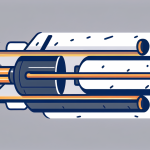
Carbon fiber flakes are tiny, lightweight particles made from carbon fiber materials. They are created by shredding or milling larger carbon fiber pieces. These flakes inherit the strength and durability of carbon fiber. They are incredibly strong for their weight and resist corrosion.

Carbon fiber flakes have a unique structure. They consist of long, thin strands of carbon atoms. These strands are bonded together in a crystalline formation. This structure gives the flakes their remarkable properties. They are stiff, strong, and lightweight.
The production process of carbon fiber flakes involves several steps. First, carbon fibers are created from precursor materials. Then, these fibers are chopped or milled into small flakes. The size and shape of the flakes can be controlled. This allows for customization based on specific application needs.
Comparative Analysis: Carbon Fiber Flakes vs. Other Materials
Carbon fiber flakes offer several advantages over traditional materials. Let’s compare them to some common alternatives:
- Metals (e.g., steel, aluminum):
- Carbon fiber flakes are much lighter
- They have a higher strength-to-weight ratio
- They resist corrosion better
- Glass fibers:
- Carbon fiber flakes are stronger and stiffer
- They have better fatigue resistance
- They conduct electricity, unlike glass fibers
- Polymer materials:
- Carbon fiber flakes have superior mechanical properties
- They offer better thermal stability
- They can enhance the properties of polymer composites
Carbon fiber flakes do have some limitations. They are generally more expensive than traditional materials. Their production process is energy-intensive. However, their unique properties often justify the higher cost in many applications.
Innovative Uses of Carbon Fiber Flakes in Various Industries
The Sporting Goods Industry: Enhancing Durability and Weight Reduction
Carbon fiber flakes have revolutionized the sporting goods industry. They offer a perfect blend of strength and lightness. This makes them ideal for various sports equipment.

In cycling, carbon fiber flakes are used in frame construction. They help create bikes that are both sturdy and extremely light. This gives cyclists a competitive edge. The flakes are also used in helmet design. They enhance protection without adding unnecessary weight.
Tennis rackets benefit from carbon fiber flakes too. The flakes are incorporated into the racket frame. This increases power and control while keeping the racket light. Golfers also enjoy the advantages of carbon fiber flakes. They are used in club shafts. This improves swing speed and accuracy.
Carbon fiber flakes are also finding their way into sportswear. They are used in shin guards for soccer players. These guards offer superior protection while being incredibly light. This allows for better mobility on the field.
The Automotive Sector: Improving Vehicle Design and Performance
The automotive industry has embraced carbon fiber flakes for their numerous benefits. These flakes are transforming vehicle design and performance in several ways.
Body panels made with carbon fiber flakes are becoming more common. They significantly reduce vehicle weight without compromising strength. This leads to improved fuel efficiency and better handling.
Carbon fiber flakes are also used in interior components. They create lightweight, durable parts like dashboards and door panels. This helps reduce overall vehicle weight while maintaining a luxurious feel.
In high-performance cars, carbon fiber flakes are used in critical components. They enhance the strength of brake systems. They also improve the durability of suspension parts. This results in better performance and safety.
Carbon fiber flakes are even finding their way into tires. They can improve grip and reduce rolling resistance. This leads to better fuel economy and handling, especially in sports cars.
The Aerospace and Defense Sector: Meeting Demands for High-End Materials
The aerospace and defense sectors have stringent material requirements. Carbon fiber flakes meet and often exceed these demands. They offer an excellent combination of strength, lightness, and durability.
In aircraft construction, carbon fiber flakes are used in various components. They help create stronger, lighter fuselage panels. This reduces overall aircraft weight. It leads to improved fuel efficiency and increased payload capacity.
Satellite manufacturers also benefit from carbon fiber flakes. They use them in structural components. The flakes provide the necessary strength while minimizing weight. This is crucial for reducing launch costs.
In defense applications, carbon fiber flakes enhance protective gear. They are used in body armor and vehicle armor. The flakes improve protection levels without adding excessive weight. This increases mobility and survivability for personnel.
Carbon fiber flakes also play a role in missile technology. They are used in components that require high strength and low weight. This improves missile range and accuracy.
Maximizing the Economic Potential of Carbon Fiber Flakes
Strategies for Scaling Production and Distribution
To fully harness the potential of carbon fiber flakes, efficient production and distribution are crucial. Here are some strategies to achieve this:

- Optimize production processes:
- Invest in advanced milling and chopping technologies
- Develop automated quality control systems
- Implement lean manufacturing principles
- Diversify supply chain:
- Secure multiple sources of raw materials
- Establish partnerships with reliable suppliers
- Develop contingency plans for supply disruptions
- Enhance distribution networks:
- Create regional distribution centers
- Implement just-in-time delivery systems
- Utilize digital platforms for order management
- Invest in research and development:
- Focus on improving production efficiency
- Develop new applications for carbon fiber flakes
- Collaborate with universities and research institutions
- Train skilled workforce:
- Develop comprehensive training programs
- Partner with educational institutions for specialized courses
- Implement continuous learning initiatives
Case Studies: Successful Implementation and ROI
Several companies have successfully implemented carbon fiber flakes in their products. Let’s look at some case studies:
- Automotive Company X:
- Implemented carbon fiber flakes in body panels
- Achieved 20% weight reduction in new model
- Improved fuel efficiency by 15%
- ROI: 200% over five years
- Sporting Goods Manufacturer Y:
- Used carbon fiber flakes in tennis racket frames
- Increased sales by 30% in premium segment
- Improved product durability by 40%
- ROI: 150% in three years
- Aerospace Supplier Z:
- Incorporated carbon fiber flakes in satellite components
- Reduced component weight by 25%
- Increased payload capacity by 10%
- ROI: 180% over seven years
These case studies demonstrate the significant benefits and ROI potential of carbon fiber flakes.
Future Outlook: Carbon Fiber Flakes in Tomorrow’s Market
The future looks bright for carbon fiber flakes in the manufacturing industry. Several trends point towards increased adoption and innovation:
- Growing demand for lightweight materials in various industries
- Increasing focus on sustainability and fuel efficiency
- Advancements in production technologies, potentially reducing costs
- Emerging applications in new sectors like renewable energy
- Rising investment in research and development
As production scales up, we can expect the cost of carbon fiber flakes to decrease. This will make them more accessible to a wider range of industries. We may see their use expand into consumer goods and construction.
Innovations in recycling technologies are also promising. They could make carbon fiber flakes more sustainable. This aligns with global trends towards circular economies.
In conclusion, carbon fiber flakes have a bright future in modern manufacturing. Their versatility and unique properties make them invaluable across industries. As technology evolves, we can expect even more innovative applications to emerge.