Understanding Fiberglass Tubes: An Overview
What is a Fiberglass Tube?
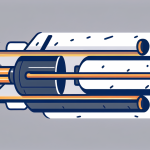
Fiberglass tubes are cylindrical structures made from glass fiber reinforced plastic. They are lightweight yet strong, making them ideal for various applications. These tubes are created by combining glass fibers with a polymer resin. The result is a durable, corrosion-resistant material that’s perfect for many construction projects.

Fiberglass tubes come in different sizes and strengths. They can be solid or hollow, depending on their intended use. Some common applications include:
- Structural support in buildings
- Electrical conduits
- Lightweight poles for various purposes
- Components in sporting equipment like kite rods
Their versatility makes them a popular choice for both DIY enthusiasts and professional builders.
Benefits of Using Fiberglass in Construction
Fiberglass offers numerous advantages in construction projects. Here are some key benefits:
- Lightweight: Fiberglass is much lighter than traditional materials like metal or wood.
- Strength: Despite being light, fiberglass tubes are incredibly strong and durable.
- Corrosion resistance: They don’t rust or rot, making them ideal for outdoor use.
- Low maintenance: Fiberglass requires minimal upkeep compared to other materials.
- Flexibility: These tubes can be bent without breaking, offering design versatility.
- Insulation: Fiberglass has excellent thermal and electrical insulation properties.
- Cost-effective: While initial costs may be higher, long-term savings are significant.
These benefits make fiberglass tubes a smart choice for many construction projects.
The Basics of Fiberglass Materials
Fiberglass is a composite material made of fine glass fibers and a polymer resin. The manufacturing process involves several steps:
- Glass fibers are created by melting glass and extruding it through tiny holes.
- These fibers are then woven into a fabric or mat.
- The fabric is impregnated with a liquid resin.
- The resin is cured, usually using heat, to create the final solid product.
The type of glass and resin used can vary, affecting the properties of the final product. For example, E-glass is commonly used for its good strength and electrical properties. Different resins like polyester, epoxy, or vinyl ester are chosen based on the desired characteristics of the final product.
Assessing Fiberglass Tube Quality
Key Features to Look for in a Fiberglass Tube
When selecting a fiberglass tube, consider these important features:
- Wall thickness: This affects the tube’s strength and weight.
- Diameter: Choose the right size for your specific application.
- Length: Ensure the tube is long enough for your project needs.
- Flexibility: Some applications require more flexible tubes, like kite rods.
- Surface finish: A smooth finish indicates good quality and reduces drag.
- Color: While often cosmetic, color can also indicate UV protection.
- Resin type: Different resins offer varying levels of strength and chemical resistance.
Consider your project requirements carefully when evaluating these features. The right combination will ensure optimal performance and longevity.
How to Identify High-Quality Fiberglass Tubes
Spotting high-quality fiberglass tubes requires attention to detail. Here are some signs to look for:
- Consistency: The tube should have a uniform color and texture throughout.
- Smooth surface: High-quality tubes have a smooth, glossy finish without bubbles or rough spots.
- No visible fibers: You shouldn’t see individual glass fibers on the surface.
- Straightness: The tube should be perfectly straight when laid on a flat surface.
- Weight: It should feel light but sturdy.
- Flexibility: Bend the tube slightly. It should flex without cracking or whitening.
- Certifications: Look for tubes that meet industry standards and have quality certifications.
Remember, a reputable supplier will always be willing to provide detailed product specifications.
The Importance of Choosing the Right Supplier
Selecting the right supplier is crucial for getting high-quality fiberglass tubes. Here’s why:
- Product knowledge: A good supplier can guide you to the best product for your needs.
- Quality assurance: Reputable suppliers have strict quality control measures.
- Consistency: They ensure consistent quality across batches.
- Customer service: Good suppliers offer support before and after purchase.
- Customization: Some can provide custom-made tubes to fit specific requirements.
- Competitive pricing: Established suppliers often offer better value for money.
- Warranty: Many quality suppliers back their products with solid warranties.
Do your research before choosing a supplier. Look for reviews, ask for references, and don’t hesitate to ask questions about their products and processes.
Integrating Fiberglass Tubes into Your Project
Innovative Ways to Use Fiberglass Tubes
Fiberglass tubes are versatile and can be used in many creative ways. Here are some ideas:

- Lighting fixtures: Create unique, durable lamp posts or light diffusers.
- Furniture: Use tubes as structural elements in modern, lightweight furniture designs.
- Garden structures: Build sturdy, weather-resistant trellises or plant supports.
- Sports equipment: Craft custom fishing rods or lightweight tent poles.
- Art installations: Create large-scale sculptures or interactive art pieces.
- Sound diffusers: Use tubes to create acoustic panels for better sound quality.
- DIY wind turbines: Construct small-scale wind power generators.
The possibilities are endless. Let your imagination guide you in finding new applications for these versatile tubes.
Tips for Installing Fiberglass Tubes Effectively
Proper installation ensures optimal performance of fiberglass tubes. Follow these tips:
- Use appropriate tools: Sharp cutting tools designed for fiberglass prevent fraying.
- Wear protective gear: Always use gloves and a mask when cutting fiberglass.
- Measure twice, cut once: Accurate measurements are crucial for a good fit.
- Use proper joining methods: Epoxy or mechanical fasteners work well for joining tubes.
- Allow for thermal expansion: Leave small gaps in long runs to accommodate temperature changes.
- Support adequately: Use brackets or clamps to provide sufficient support along the length.
- Seal ends: Cap or seal tube ends to prevent moisture ingress.
Remember, careful installation not only improves performance but also extends the life of your fiberglass tubes.
Maintenance and Durability: Ensuring Longevity
Fiberglass tubes are low-maintenance, but proper care can significantly extend their lifespan. Here are some tips:
- Regular cleaning: Use mild soap and water to remove dirt and grime.
- Avoid harsh chemicals: These can damage the resin and compromise the tube’s integrity.
- Inspect regularly: Look for signs of wear, cracks, or discoloration.
- Protect from UV: If used outdoors, consider UV-resistant coatings or paint.
- Proper storage: Store unused tubes in a cool, dry place away from direct sunlight.
- Address damage promptly: Small cracks or chips can be repaired with fiberglass repair kits.
- Avoid overloading: Stay within the tube’s weight capacity to prevent structural damage.
With proper care, fiberglass tubes can last for many years, making them a cost-effective choice for various applications.