Understanding Carbon Fiber Reinforced Concrete (CFRPC)
What is CFRPC and How is it Made?
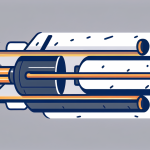
Carbon Fiber Reinforced Concrete (CFRPC) is an advanced composite material. It combines traditional concrete with carbon fiber reinforcement. The process involves adding carbon fibers to the concrete mix. These fibers can be short or long, depending on the application.

Manufacturers create CFRPC by dispersing carbon fibers throughout the concrete matrix. This process can happen during mixing or by layering carbon fiber sheets. The result is a stronger, lighter material than traditional concrete.
CFRPC production requires specialized equipment and expertise. It’s a precise process that ensures even distribution of fibers. This distribution is key to maximizing the material’s strength and durability.
The Benefits of Using Carbon Fiber in Concrete
Carbon fiber in concrete offers numerous advantages over traditional reinforcement methods:
- Increased strength: CFRPC is much stronger than regular concrete.
- Lighter weight: It reduces the overall weight of structures.
- Corrosion resistance: Carbon fibers don’t rust like steel reinforcements.
- Durability: CFRPC structures last longer with less maintenance.
- Flexibility: It can be molded into various shapes and forms.
- Crack resistance: The fibers help prevent and control concrete cracking.
These benefits make CFRPC ideal for many construction projects. It’s especially useful in areas with harsh environments or high structural demands.
Carbon Fiber Reinforced Concrete Applications
CFRPC finds use in various infrastructure projects:
- Bridges: It extends lifespan and reduces maintenance costs.
- High-rise buildings: CFRPC allows for taller, lighter structures.
- Marine structures: Its corrosion resistance is perfect for coastal areas.
- Parking structures: It withstands heavy loads and frequent use.
- Earthquake-prone regions: CFRPC improves seismic performance.
- Repair and retrofitting: It strengthens existing structures.
Engineers also use CFRPC in specialized applications. These include nuclear power plants and military installations. Its versatility makes it a go-to material for innovative construction solutions.
Sustainable Practices in Concrete Reinforcement
Why CFRPC is a Green Solution
CFRPC contributes to sustainable construction in several ways:

- Longevity: CFRPC structures last longer, reducing replacement needs.
- Reduced material use: Its strength allows for less concrete in construction.
- Lower transportation costs: Lighter materials mean fewer trips and less fuel.
- Energy efficiency: CFRPC buildings can have better insulation properties.
- Recyclability: Carbon fibers can be recovered and reused in some cases.
These factors make CFRPC a more environmentally friendly choice. It aligns with green building standards and sustainability goals. By choosing CFRPC, projects can reduce their carbon footprint significantly.
The Environmental Impact of Traditional Reinforcement Methods
Traditional concrete reinforcement, mainly steel, has several environmental drawbacks:
- High carbon emissions: Steel production is energy-intensive and polluting.
- Resource depletion: Steel requires extensive mining of iron ore.
- Corrosion issues: Rust leads to frequent repairs and replacements.
- Weight: Heavier structures require more materials and energy to build.
- Limited lifespan: Steel-reinforced concrete often needs earlier replacement.
These issues contribute to the construction industry’s large environmental impact. Steel reinforcement, while effective, is not the most sustainable option. It’s a major reason why the industry seeks alternatives like CFRPC.
Case Studies: Sustainable Projects Using CFRPC
Several projects showcase CFRPC’s sustainable benefits:
- The Penobscot Narrows Bridge, Maine, USA:
- Used CFRPC for corrosion resistance in a marine environment.
- Extended expected lifespan by decades.
- Stork Bridge, Switzerland:
- First bridge built entirely with non-metallic reinforcement.
- Significantly reduced maintenance needs and costs.
- Bayer MaterialScience office, Germany:
- Utilized CFRPC in facade panels.
- Achieved energy efficiency and reduced structural weight.
These examples demonstrate CFRPC’s real-world sustainability benefits. They show how it can reduce environmental impact while improving performance.
Implementing CFRPC in Your Project
Step-by-Step Guide to Incorporating Carbon Fiber
Here’s how to integrate CFRPC into your construction project:

- Assessment: Determine if CFRPC suits your project needs.
- Design: Work with structural engineers to create CFRPC-specific plans.
- Material selection: Choose the right type of carbon fiber for your application.
- Procurement: Source materials from reputable suppliers.
- Training: Ensure your team understands CFRPC handling and installation.
- Mixing: Follow precise mixing ratios for optimal fiber distribution.
- Placement: Use proper techniques to maintain fiber orientation.
- Curing: Allow adequate time for the CFRPC to reach full strength.
- Quality control: Conduct regular tests to ensure performance standards.
- Maintenance: Implement a plan for long-term care of CFRPC structures.
Following these steps ensures successful CFRPC implementation. It’s crucial to work with experienced professionals throughout the process.
Cost-Benefit Analysis of CFRPC vs. Traditional Reinforcements
When comparing CFRPC to traditional reinforcements, consider:
Initial costs:
- CFRPC is often more expensive upfront.
- Traditional methods may seem cheaper initially.
Long-term savings:
- CFRPC reduces maintenance and replacement costs.
- It extends the structure’s lifespan significantly.
Performance benefits:
- CFRPC offers superior strength and durability.
- It provides better resistance to environmental factors.
Environmental impact:
- CFRPC has a lower carbon footprint over time.
- It requires less material and energy in the long run.
While CFRPC may have higher initial costs, its long-term benefits often outweigh them. The reduced maintenance and extended lifespan lead to significant savings over time.
Future Trends in Carbon Fiber Reinforced Concrete Technology
The future of CFRPC looks promising, with several emerging trends:
- Nanotechnology integration for enhanced properties.
- Self-healing CFRPC that can repair minor damage autonomously.
- 3D printing techniques for complex CFRPC structures.
- Hybrid reinforcements combining carbon fiber with other materials.
- Smart CFRPC with embedded sensors for real-time monitoring.
- Improved recycling methods for end-of-life CFRPC products.
- Standardization of CFRPC in building codes worldwide.
These advancements will make CFRPC even more attractive for sustainable construction. As technology progresses, we can expect wider adoption and new applications for this innovative material.