Understanding the Materials for a Traditional Bow
The Role of Fiberglass in Crafting the Perfect Bow
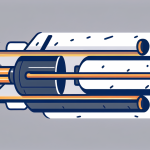
Fiberglass has revolutionized the world of traditional bow making. It offers unique benefits that make it a top choice for DIY enthusiasts. Fiberglass is known for its strength and durability. It can withstand the stress of repeated use without losing shape.

This material is also lightweight, which is crucial for a bow’s performance. A lighter bow is easier to handle and aim. Fiberglass is also resistant to temperature changes and moisture. This means your bow will perform consistently in various conditions.
Moreover, fiberglass is versatile. It can be molded into different shapes and sizes. This allows for customization in bow design. Whether you’re crafting a recurve or a longbow, fiberglass adapts well to your needs.
Selecting the Right Gordon Glass for Your Project
Gordon Glass is a leading name in fiberglass bow materials. They offer a range of products tailored for bow making. Choosing the right Gordon Glass product is crucial for your project’s success.
Consider the bow type you’re making. Different bow styles require different glass types. For example, a longbow might need a different glass than a recurve bow. Think about the draw weight you’re aiming for. This will influence the thickness of the glass you need.
Gordon Glass offers various colors and finishes. This allows for aesthetic customization of your bow. They also provide different flexibility options. This helps you achieve the desired performance characteristics.
Remember to consider your skill level when choosing. Some Gordon Glass products are more suitable for beginners. Others are designed for experienced bow makers. Always read product descriptions carefully before making a choice.
The Process: From Fiberglass to Finished Bow
The First Step: Cutting and Shaping the Fiberglass Limbs
The journey begins with cutting your fiberglass limbs. This step requires precision and care. Start by measuring and marking your fiberglass sheet. Use a straight edge to ensure accuracy.

When cutting, use a tool designed for fiberglass. A fine-toothed saw or a specialized glass cutter works well. Cut slowly and steadily to avoid chipping or cracking. Always wear protective gear during this process.
After cutting, it’s time to shape the limbs. This is where your bow’s unique character begins to emerge. Use a rasp or coarse sandpaper to rough out the shape. Work gradually, checking your progress often.
Pay special attention to the limb tips and the area where the limbs meet the riser. These areas are crucial for the bow’s performance. Take your time and aim for symmetry between the two limbs.
The Second Step: Sanding and Finishing with Gordon Glass
Once your limbs are shaped, it’s time for fine-tuning. Start with coarse-grit sandpaper and work your way to finer grits. This process smooths out any imperfections and prepares the surface for finishing.
Sand in the direction of the fibers to avoid weakening the material. Pay extra attention to the edges. They should be smooth and free from any sharp points. This not only looks better but also enhances safety.
After sanding, it’s time to apply the Gordon Glass finish. This step protects your bow and enhances its appearance. Follow the manufacturer’s instructions carefully. Apply thin, even coats for the best results.
Allow each coat to dry completely before applying the next. This ensures a durable and attractive finish. The number of coats needed may vary depending on the specific Gordon Glass product used.
The Final Step: Stringing and Tuning Your Handcrafted Bow
With the limbs finished, it’s time to bring your bow to life. Start by attaching the limbs to the riser if you haven’t already. Ensure they are securely fastened and properly aligned.
Next, string your bow. Use a bow stringer to avoid twisting the limbs. Choose a string that matches your bow’s specifications. The right string tension is crucial for optimal performance.
Once strung, it’s time to tune your bow. This involves adjusting the tiller and brace height. The tiller affects the bow’s balance and should be even on both limbs. The brace height influences arrow flight and should be set according to your bow’s design.
Test your bow with a few shots. Pay attention to how it feels and performs. Make small adjustments as needed. Remember, tuning is an ongoing process that may require tweaks over time.
Optimizing Your Bow Making Project with Quality Supplies
How Fiberglass and Gordon Glass Contribute to the Sound and Durability of Your Bow
Fiberglass and Gordon Glass products play a crucial role in your bow’s performance. They affect both the sound and durability of your creation. Fiberglass limbs produce a distinct sound when the arrow is released.

This sound is often described as crisp and clean. It’s different from the sound of wooden limbs. Many archers find this sound satisfying and use it as feedback for their shooting technique.
In terms of durability, fiberglass excels. It resists warping and twisting better than wood. This means your bow will maintain its shape and performance over time. Fiberglass is also less affected by humidity and temperature changes.
Gordon Glass products enhance these benefits. They offer superior finish options that further protect the fiberglass. This adds to the bow’s longevity and maintains its performance characteristics.
Choosing the Right Tools and Equipment for a Professional Finish
The right tools can make a big difference in your bow making project. For cutting fiberglass, invest in a good quality glass cutter or fine-toothed saw. These tools ensure clean cuts and reduce the risk of damaging the material.
For shaping and sanding, use a variety of files and sandpapers. Start with coarse grits and progress to finer ones. This helps achieve a smooth, professional finish. Consider using a power sander for larger areas, but be careful not to remove too much material.
When it comes to applying Gordon Glass finishes, quality brushes or spray equipment are essential. They help ensure even application and a smooth final result. Don’t forget safety equipment like gloves, goggles, and a dust mask.
Lastly, invest in a good bow press and stringer. These tools are crucial for safe and effective bow assembly and maintenance. They help prevent damage to your bow during the stringing process.
Tips and Tricks for a Sustainable and Effective Bow Making Process
Sustainability in bow making starts with material choice. Fiberglass is durable and long-lasting, making it a sustainable option. It requires less frequent replacement than some traditional materials.
When cutting fiberglass, plan your cuts to minimize waste. Use leftover pieces for smaller projects or reinforcements. This not only saves money but also reduces environmental impact.
Work in a well-ventilated area when using fiberglass and Gordon Glass products. This protects your health and ensures proper curing of finishes. Consider using eco-friendly cleaning products for your tools and workspace.
Keep detailed records of your process and results. This helps you refine your technique over time. It also allows you to replicate successful designs and learn from less successful attempts.
Finally, consider joining a bow making community. Sharing knowledge and resources can make your hobby more sustainable and enjoyable. It’s also a great way to get feedback and new ideas for your projects.