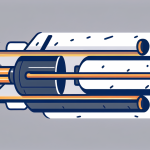
Understanding Carbon Fiber I-Beams
What Are Carbon Fiber I-Beams?
Carbon fiber I-beams are structural elements made from carbon fiber reinforced polymer (CFRP). They have a unique I-shaped cross-section, similar to traditional steel I-beams. These beams combine the strength of carbon fibers with the lightweight properties of polymers.

Carbon fiber I-beams are known for their exceptional strength-to-weight ratio. They are much lighter than steel beams but offer comparable or even superior strength. This makes them ideal for various applications where weight reduction is crucial.
The manufacturing process of carbon fiber I-beams involves layering carbon fiber sheets and infusing them with resin. The result is a durable, corrosion-resistant beam that can withstand high loads and extreme conditions.
Advantages of Carbon Fiber I-Beams in Construction
Carbon fiber I-beams offer several advantages in construction projects:
- Lightweight: They are significantly lighter than steel beams, making handling and installation easier.
- High strength: Despite being lightweight, they can support heavy loads.
- Corrosion resistance: Unlike steel, carbon fiber doesn’t rust or corrode.
- Durability: They have a long lifespan with minimal maintenance requirements.
- Thermal stability: Carbon fiber I-beams maintain their properties across a wide temperature range.
- Design flexibility: They can be customized to meet specific project requirements.
- Energy efficiency: Their lightweight nature can contribute to overall energy savings in buildings.
These advantages make carbon fiber I-beams an attractive option for modern construction projects. They offer solutions to many challenges faced in traditional building methods.
Applications of Carbon Fiber I-Beams in Different Industries
Carbon fiber I-beams find applications across various industries:
- Aerospace: Used in aircraft structures for their lightweight and high-strength properties.
- Automotive: Employed in race cars and high-performance vehicles to reduce weight and improve speed.
- Marine: Used in boat hulls and decks for their corrosion resistance and strength.
- Civil engineering: Applied in bridges, buildings, and other structures for their durability.
- Sports equipment: Used in bicycle frames, tennis rackets, and other sporting goods.
- Wind energy: Employed in the construction of wind turbine blades for their strength and flexibility.
- Oil and gas: Used in offshore platforms and pipelines for their corrosion resistance.
The versatility of carbon fiber I-beams makes them valuable in industries where strength, weight, and durability are crucial factors. Their unique properties open up new possibilities in design and engineering across these sectors.
Design and Installation of Carbon Fiber I-Beams
Key Considerations in Designing Carbon Fiber I-Beams
Designing carbon fiber I-beams requires careful consideration of several factors:

- Load requirements: Determine the expected loads the beam will need to support.
- Beam dimensions: Calculate the optimal size and shape for the specific application.
- Fiber orientation: Plan the direction of carbon fibers to maximize strength.
- Resin selection: Choose the appropriate resin type for the intended use and environment.
- Environmental factors: Consider temperature, humidity, and exposure to chemicals or UV light.
- Manufacturing process: Select the best production method for the desired properties.
- Cost-effectiveness: Balance performance requirements with budget constraints.
Engineers must also consider the anisotropic nature of carbon fiber. This means the material’s properties vary depending on the direction of the fibers. Proper design ensures the beam’s strength aligns with the expected load directions.
Finite element analysis (FEA) is often used in the design process. This tool helps simulate how the beam will perform under various conditions. It allows designers to optimize the beam’s structure before production.
Installation Techniques for Carbon Fiber I-Beams
Installing carbon fiber I-beams requires specific techniques to ensure optimal performance:
- Careful handling: Use proper equipment to avoid damaging the beams during transport and installation.
- Precise alignment: Ensure beams are correctly positioned and aligned with supporting structures.
- Proper fastening: Use compatible fasteners and follow manufacturer guidelines for attachment.
- Protective measures: Apply coatings or sealants if required for additional protection.
- Load distribution: Install load-spreading plates at connection points to prevent stress concentration.
- Thermal considerations: Allow for thermal expansion and contraction in the installation design.
- Quality control: Conduct thorough inspections to verify proper installation.
It’s crucial to follow manufacturer guidelines and local building codes during installation. This ensures the beams perform as intended and meet safety standards.
Tips for Ensuring a Durable and Efficient Installation
To maximize the longevity and efficiency of carbon fiber I-beam installations:
- Use trained professionals: Ensure installation is carried out by experienced personnel.
- Follow manufacturer guidelines: Adhere strictly to the provided installation instructions.
- Conduct regular inspections: Implement a routine maintenance schedule to check for any issues.
- Protect from UV exposure: If used externally, consider UV-resistant coatings or covers.
- Avoid chemical exposure: Protect beams from harsh chemicals that could degrade the material.
- Monitor load conditions: Regularly assess if load conditions match the design specifications.
- Address issues promptly: If any damage or wear is detected, address it immediately.
By following these tips, you can ensure that your carbon fiber I-beam installation remains durable and efficient over time. Proper care and maintenance will help maximize the benefits of using this advanced material.
Future Trends and Innovations in Carbon Fiber I-Beams
The Future of Carbon Fiber in Structural Design
The future of carbon fiber in structural design looks promising:

- Increased adoption: As costs decrease, more industries will likely adopt carbon fiber I-beams.
- Improved manufacturing: Advancements in production techniques will lead to stronger, cheaper beams.
- Hybrid materials: Combining carbon fiber with other materials may create even better performance.
- Sustainable production: Research into eco-friendly manufacturing processes is ongoing.
- Smart structures: Integration with sensors could allow for real-time monitoring of structural health.
- Customization: 3D printing technology may enable more complex and tailored beam designs.
- Recycling advancements: New methods for recycling carbon fiber will improve sustainability.
These trends suggest that carbon fiber I-beams will play an increasingly important role in future structural designs. Their unique properties make them well-suited to meet the evolving needs of various industries.
Innovative Materials and Technologies Enhancing Carbon Fiber I-Beams
Several innovative materials and technologies are enhancing carbon fiber I-beams:
- Nano-enhanced resins: Adding nanoparticles to resins can improve strength and durability.
- Self-healing composites: New materials can repair minor damage automatically.
- Biomimetic designs: Structures inspired by nature could lead to more efficient beam designs.
- Advanced fiber types: New carbon fiber variants offer improved strength and stiffness.
- Multifunctional composites: Materials that combine structural support with other functions.
- Additive manufacturing: 3D printing allows for complex geometries and reduced waste.
- AI-driven design: Artificial intelligence can optimize beam designs for specific applications.
These innovations are pushing the boundaries of what’s possible with carbon fiber I-beams. They promise to deliver even better performance and efficiency in the future.
How Carbon Fiber I-Beams Are Shaping the Industry Standards
Carbon fiber I-beams are influencing industry standards in several ways:
- Weight reduction: They’re setting new benchmarks for lightweight structural elements.
- Strength standards: Their high strength-to-weight ratio is changing design expectations.
- Durability norms: Long-term performance of carbon fiber is redefining durability standards.
- Sustainability goals: Their potential for recycling aligns with growing sustainability demands.
- Safety regulations: Their unique properties are influencing safety standards in various industries.
- Design flexibility: They’re enabling more creative and efficient structural designs.
- Maintenance practices: Their low maintenance needs are changing industry maintenance norms.
As carbon fiber I-beams become more common, they’re reshaping how industries approach structural design. They’re driving innovation and pushing for higher standards in performance, safety, and sustainability.
This shift is likely to continue as the technology matures and becomes more accessible. The unique properties of carbon fiber I-beams are setting new benchmarks that other materials will need to meet or exceed.