Understanding Carbon Fiber: Types and Uses
What is Carbon Fiber?
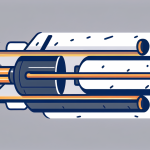
Carbon fiber is a remarkable material known for its strength and lightweight properties. It’s made from thin strands of carbon atoms bonded together in a crystal alignment. These fibers are thinner than human hair but incredibly strong.

Carbon fiber is often woven into sheets or combined with resins to form composites. These materials are used in various industries due to their high strength-to-weight ratio. They’re stronger than steel but much lighter.
12×12 carbon fiber sheets are popular in many applications. They offer a convenient size for projects while maintaining the material’s impressive properties. These sheets are versatile and can be cut, shaped, and molded as needed.
The Role of Carbon Fiber in Various Industries
Carbon fiber plays a crucial role in many industries due to its unique properties. In aerospace, it’s used to make lightweight aircraft parts. This reduces fuel consumption and increases efficiency.
In automotive, carbon fiber is found in high-performance cars. It’s used for body panels, chassis components, and interior parts. The material helps reduce vehicle weight while maintaining strength.
Sports equipment often incorporates carbon fiber. You’ll find it in bicycle frames, tennis rackets, and golf clubs. It provides strength and reduces weight, enhancing performance.
In construction, carbon fiber is used to reinforce structures. It can strengthen bridges, buildings, and other infrastructure. The material’s durability makes it ideal for these applications.
Different Types of Carbon Fiber Sheets
Carbon fiber sheets come in various types, each suited for different applications. Here are some common types:
- Unidirectional sheets: Fibers aligned in one direction for maximum strength
- Woven sheets: Fibers interlaced for balanced properties in multiple directions
- Prepreg sheets: Pre-impregnated with resin for easier handling and curing
- Chopped fiber sheets: Short fibers randomly oriented for complex shapes
12×12 sheets are available in these different types. The choice depends on the specific project requirements. Factors like strength, flexibility, and ease of use come into play when selecting the right type.
Maximizing the Potential of 12×12 Carbon Fiber Sheets
Optimal Ways to Use 12×12 Carbon Fiber Sheets
12×12 carbon fiber sheets offer great versatility in various projects. Here are some optimal ways to use them:

- Custom panels: Create lightweight, strong panels for vehicles or furniture
- Reinforcement: Strengthen existing structures or components
- Prototyping: Build quick, strong prototypes for product development
- Artistic projects: Use as a unique material in sculptures or mixed media art
- DIY repairs: Fix or upgrade items with a strong, lightweight material
When working with these sheets, consider the direction of the fibers. This affects the strength in different directions. Layering sheets can create custom properties for specific needs.
Always use proper tools when cutting or shaping carbon fiber sheets. This ensures clean edges and prevents damage to the material. Follow safety guidelines to protect yourself from carbon fiber dust.
Tips for Selecting the Right 12×12 Carbon Fiber Sheet
Choosing the right 12×12 carbon fiber sheet is crucial for project success. Here are some tips:
- Consider the thickness: Thicker sheets offer more strength but less flexibility
- Check the weave pattern: Different patterns suit different applications
- Look at the fiber type: Some fibers offer higher strength or stiffness
- Evaluate the resin system: Some resins perform better in certain conditions
- Consider the finish: Some sheets come with a decorative surface layer
Think about your project’s specific needs. Do you need high strength, flexibility, or a specific appearance? These factors will guide your selection.
Don’t forget to consider your budget. Higher quality sheets often cost more but may be necessary for certain applications. Balance performance needs with cost constraints.
Creative Ways to Integrate 12×12 Carbon Fiber Sheets in Projects
12×12 carbon fiber sheets can be used creatively in many projects. Here are some innovative ideas:
- Custom laptop or phone cases: Create sleek, strong protective covers
- Unique furniture accents: Add modern flair to tables or chairs
- High-performance RC vehicle parts: Upgrade hobby cars or drones
- Decorative wall panels: Create striking, modern interior design elements
- Custom musical instrument parts: Enhance sound quality and reduce weight
When working on creative projects, experiment with combining carbon fiber and other materials. This can lead to unique aesthetics and properties. Try layering with wood, metal, or plastics.
Consider using carbon fiber’s natural appearance as a design element. Its distinctive weave pattern can add visual interest to projects. You can also paint or finish it for different looks.
Best Practices in Handling and Fabrication
Precautions to Take When Handling Carbon Fiber Sheets
Safety is crucial when working with carbon fiber sheets. Here are important precautions:

- Wear protective gear: Use gloves, goggles, and a dust mask
- Work in a well-ventilated area: Carbon fiber dust can be harmful if inhaled
- Use proper cutting tools: Sharp, specialized tools prevent fraying and dust
- Clean up thoroughly: Use a vacuum with a HEPA filter to capture fine particles
- Dispose of waste properly: Follow local guidelines for composite material disposal
Always read and follow the manufacturer’s safety guidelines. Different types of carbon fiber sheets may have specific handling requirements. Be aware of these before starting your project.
Avoid skin contact with carbon fiber dust or fragments. They can cause irritation. If contact occurs, wash the area thoroughly with soap and water. Seek medical attention if irritation persists.
Innovative Techniques for Fabricating 12×12 Carbon Fiber Sheets
Fabricating carbon fiber sheets requires skill and the right techniques. Here are some innovative approaches:
- Water jet cutting: Precise cuts without heat damage
- Laser cutting: Fast, accurate shaping for intricate designs
- CNC machining: Complex 3D shapes from carbon fiber sheets
- Vacuum forming: Create curved or complex shapes
- 3D printing with carbon fiber: Combine additive manufacturing with carbon fiber
When layering sheets, consider using automated tape laying machines. These ensure precise fiber alignment and consistent resin distribution. This can improve the final product’s quality.
Experiment with different core materials in sandwich constructions. This can create panels with specific properties like increased stiffness or improved insulation.
Troubleshooting Common Issues with Carbon Fiber Sheets
Working with carbon fiber can present challenges. Here are solutions to common issues:
- Delamination: Ensure proper surface preparation and use compatible resins
- Voids or bubbles: Use vacuum bagging techniques for better resin distribution
- Frayed edges: Use sharp cutting tools and support the material while cutting
- Warping: Pay attention to fiber orientation and cure at the right temperature
- Resin-rich areas: Use proper pressure during curing to distribute resin evenly
If you notice any defects, address them early. Small issues can grow into larger problems if ignored. Don’t hesitate to seek expert advice for complex projects or persistent issues.
Remember, working with carbon fiber takes practice. Start with simple projects and gradually tackle more complex ones. This will help you develop the skills needed for successful fabrication.