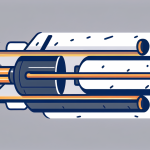
What is Graphene Carbon Fiber?
The Basics of Graphene and Its Composition
Graphene is a remarkable material. It’s a single layer of carbon atoms. These atoms form a honeycomb pattern. Graphene is incredibly thin, just one atom thick. Despite this, it’s very strong. It’s also an excellent conductor of heat and electricity.

Graphene has some amazing properties:
- Strength: It’s 200 times stronger than steel
- Flexibility: It can stretch up to 20% of its length
- Conductivity: It conducts electricity better than copper
- Transparency: It’s almost completely see-through
Scientists first isolated graphene in 2004. Since then, it’s been the focus of much research. Its potential uses are vast and exciting.
Carbon Fiber: Strength and Durability
Carbon fiber is another impressive material. It’s made from thin strands of carbon. These strands are thinner than a human hair. They’re woven together to form a fabric. This fabric is then mixed with resin to create a composite material.
Carbon fiber has several key features:
- High strength-to-weight ratio
- Excellent stiffness
- Low thermal expansion
- Fatigue resistance
These properties make carbon fiber ideal for many uses. It’s common in aerospace, automotive, and sports equipment. Carbon fiber is light but very strong. This makes it perfect for applications where weight matters.
The Synergy Between Graphene and Carbon Fiber
Graphene carbon fiber combines the best of both materials. It takes the strength of carbon fiber and enhances it with graphene. The result is a material that’s even stronger and lighter.
Here’s how it works:
- Graphene is added to the carbon fiber during production.
- It fills in gaps between carbon fibers.
- This creates a stronger bond between fibers.
- The result is a material that’s stronger and more durable.
Graphene carbon fiber is still new. Scientists are exploring its full potential. Early results are promising. It could revolutionize many industries.
Applications of Graphene Carbon Fiber in Various Industries
Automotive Industry: Enhancing Vehicle Lightweight Design
The automotive industry is always looking for ways to make cars lighter. Lighter cars use less fuel. They’re more efficient and better for the environment. Graphene carbon fiber is perfect for this goal.

Here are some ways it’s being used:
- Body panels: Replacing metal with graphene carbon fiber reduces weight.
- Chassis components: These can be made stronger and lighter.
- Interior parts: From dashboards to seats, graphene carbon fiber can be used.
Car makers are excited about this material. It could help them meet strict fuel efficiency standards. It also allows for more creative designs. Cars made with graphene carbon fiber could be safer too. The material absorbs impact better than metal.
Aerospace Sector: Innovative Aircraft Components
The aerospace industry values lightweight materials. Every gram counts when it comes to flying. Graphene carbon fiber is ideal for this sector. It’s being used to create innovative aircraft components.
Some applications include:
- Wings: Lighter, stronger wings improve fuel efficiency.
- Fuselage: A lighter body means planes can carry more or use less fuel.
- Interior components: From seats to overhead bins, everything can be made lighter.
Graphene carbon fiber could change how we build aircraft. It might allow for new designs that weren’t possible before. This could lead to faster, more efficient planes. It could also make space travel more accessible.
Consumer Goods: High-Performance Materials
Graphene carbon fiber isn’t just for big industries. It’s finding its way into consumer goods too. Many products can benefit from its strength and lightness.
Here are some examples:
- Sports equipment: Tennis rackets, golf clubs, and bicycles are getting stronger and lighter.
- Electronics: Phones and laptops could become more durable.
- Clothing: Imagine clothes that are super strong but feel light as a feather.
These products are just the beginning. As production costs come down, we’ll see more everyday items using this material. It could change the way we think about product design and durability.
The Future of Graphene Carbon Fiber Technology
Innovations in Production and Processing
The future of graphene carbon fiber looks bright. Scientists are working on new ways to produce and process it. These innovations could make it more affordable and widely available.

Some areas of focus include:
- Scaling up production: Finding ways to make more graphene faster and cheaper.
- Improving integration: Developing better methods to combine graphene with carbon fiber.
- Enhancing properties: Tweaking the material to make it even stronger or more conductive.
As these innovations progress, we’ll see more uses for graphene carbon fiber. It could become as common as plastic or steel is today. This would have a huge impact on many industries.
The Environmental Impact of Sustainable Materials
Graphene carbon fiber isn’t just about performance. It could also help the environment. Here’s how:
- Lighter vehicles use less fuel, reducing emissions.
- Longer-lasting products mean less waste.
- The material itself could be recyclable.
However, there are challenges. Making graphene can be energy-intensive. Researchers are working on greener production methods. If successful, graphene carbon fiber could be a key part of a sustainable future.
Predicting Market Trends: What’s Next for Graphene Carbon Fiber
The market for graphene carbon fiber is growing fast. Experts predict it will continue to expand. Here are some trends to watch:
- More industries adopting the material
- Falling prices as production scales up
- New applications we haven’t even thought of yet
As graphene carbon fiber becomes more common, it could change how we build and design things. We might see buildings that are taller and stronger. Or cars that are safer and more efficient. The possibilities are endless.
In conclusion, graphene carbon fiber is a material with enormous potential. It combines strength and lightness in ways we’ve never seen before. From cars to planes to everyday objects, it could change everything. As research continues, we’ll discover even more amazing uses for this incredible material.