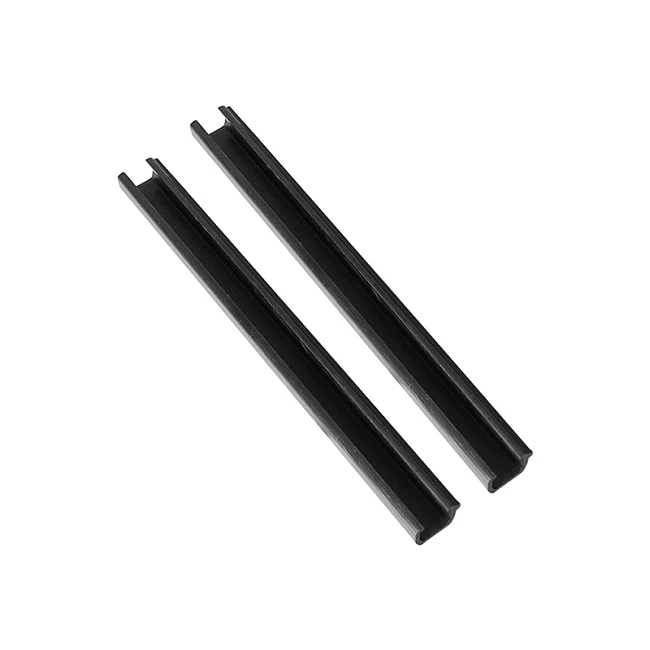
DIY Guide: Working with Carbon Fiber Strips in Home Improvements

Table of Contents

Understanding Carbon Fiber and Its Use in Home Decor

What is Carbon Fiber?

Carbon fiber is a strong, lightweight material made of thin strands of carbon atoms. It’s known for its high strength-to-weight ratio. This makes it popular in aerospace, automotive, and sports industries.

Abstract geometric design with blue and black shapes on a carbon fiber background

In home decor, carbon fiber is gaining popularity. It offers a sleek, modern look. Carbon fiber strips are thin, flexible pieces of this material. They’re easy to work with in DIY projects.

Carbon fiber has a unique, textured appearance. It often has a woven pattern that’s visually appealing. This makes it an attractive choice for home improvements.

Benefits of Using Carbon Fiber in Home Projects

Carbon fiber brings many advantages to home improvement projects. Here are some key benefits:

  1. Durability: Carbon fiber is incredibly strong and resistant to wear and tear.
  2. Lightweight: It won’t add unnecessary weight to your structures or decor.
  3. Versatility: You can use it in various applications, from furniture to wall accents.
  4. Modern aesthetic: It adds a contemporary, high-tech look to your home.
  5. Low maintenance: Carbon fiber is easy to clean and doesn’t require much upkeep.
  6. Heat resistance: It can withstand high temperatures, making it suitable for various areas.

These benefits make carbon fiber strips an excellent choice for DIY enthusiasts. They offer a unique way to enhance your home’s appearance and functionality.

Step-by-Step Guide to Install Carbon Fiber Strips

Preparing the Space and Carbon Fiber Strips

Before you start, gather all necessary materials. You’ll need:

carbon fiber plating, Carbon Fiber Strips in a blue and white living room with white entertainment unit.

  • Carbon fiber strips
  • Adhesive (epoxy or specialized carbon fiber adhesive)
  • Sandpaper
  • Cleaning solution
  • Protective gear (gloves, mask, goggles)

Clean the surface where you’ll apply the strips. Use a mild detergent and water. Let it dry completely. Sand the surface lightly to create a better bond. Wipe away any dust.

Measure the area and cut your carbon fiber strips to size. Use sharp scissors or a utility knife. Wear gloves to protect your hands from splinters.

Detailed Instructions for Installing the Strips

  1. Mix the adhesive according to the manufacturer’s instructions.
  2. Apply a thin, even layer of adhesive to the back of the carbon fiber strip.
  3. Carefully place the strip on the prepared surface.
  4. Press firmly to remove any air bubbles.
  5. Hold in place for a few minutes to allow initial bonding.
  6. Repeat for all strips, ensuring they’re aligned correctly.
  7. Let the adhesive cure fully. This may take 24-48 hours.

Work in small sections to ensure precision. Take your time to achieve the best results.

Tips and Tricks for a Flawless Installation

  • Work in a well-ventilated area. Carbon fiber and adhesives can have strong odors.
  • Use painter’s tape to create clean edges and straight lines.
  • If you make a mistake, remove the strip quickly before the adhesive sets.
  • For curved surfaces, heat the strip slightly to make it more pliable.
  • Always wear protective gear when cutting or sanding carbon fiber.

Remember, practice makes perfect. If possible, test on a small, hidden area first.

Creative Uses of Carbon Fiber Strips in Home Improvements

Innovative Ways to Use Carbon Fiber in Decor

Carbon fiber strips offer endless possibilities for home decor. Here are some creative ideas:

Modern kitchen with carbon fiber pole, carbon fiber strips, blue and white theme

  1. Wall accents: Create geometric patterns or abstract designs on accent walls.
  2. Furniture upgrades: Apply strips to table edges or chair backs for a modern touch.
  3. Cabinet handles: Make unique, sleek handles for kitchen or bathroom cabinets.
  4. Picture frames: Wrap photo frames in carbon fiber for a high-tech look.
  5. Stair railings: Add strips to stair railings for a futuristic feel.
  6. Light fixtures: Incorporate carbon fiber into custom lamp shades or sconces.

Let your imagination run wild. Carbon fiber’s versatility allows for many creative applications.

Combining Carbon Fiber with Other Materials

Carbon fiber pairs well with various materials. This creates interesting contrasts and textures. Here are some combinations to try:

  • Wood and carbon fiber: Mix warm wood tones with sleek carbon fiber for balance.
  • Metal and carbon fiber: Create an industrial look by combining these materials.
  • Glass and carbon fiber: Use carbon fiber strips to frame glass tables or shelves.
  • Concrete and carbon fiber: Add modern flair to concrete countertops or floors.

Experiment with different combinations to find what works best in your space. The key is to balance the high-tech look of carbon fiber with other textures.

How to Maintain Your Carbon Fiber Installations

Maintaining carbon fiber is relatively simple. Follow these tips to keep your installations looking great:

  1. Regular dusting: Use a soft, dry cloth to remove dust and debris.
  2. Gentle cleaning: For tougher dirt, use a mild soap solution and a soft cloth.
  3. Avoid harsh chemicals: These can damage the carbon fiber’s finish.
  4. Protect from scratches: Use coasters or pads under objects placed on carbon fiber surfaces.
  5. Address damage promptly: If you notice any lifting or peeling, repair it quickly.

With proper care, your carbon fiber installations can maintain their sleek appearance for years. Regular maintenance will ensure your DIY projects continue to enhance your home’s decor.

Facebook
Twitter
LinkedIn

Get A Quote