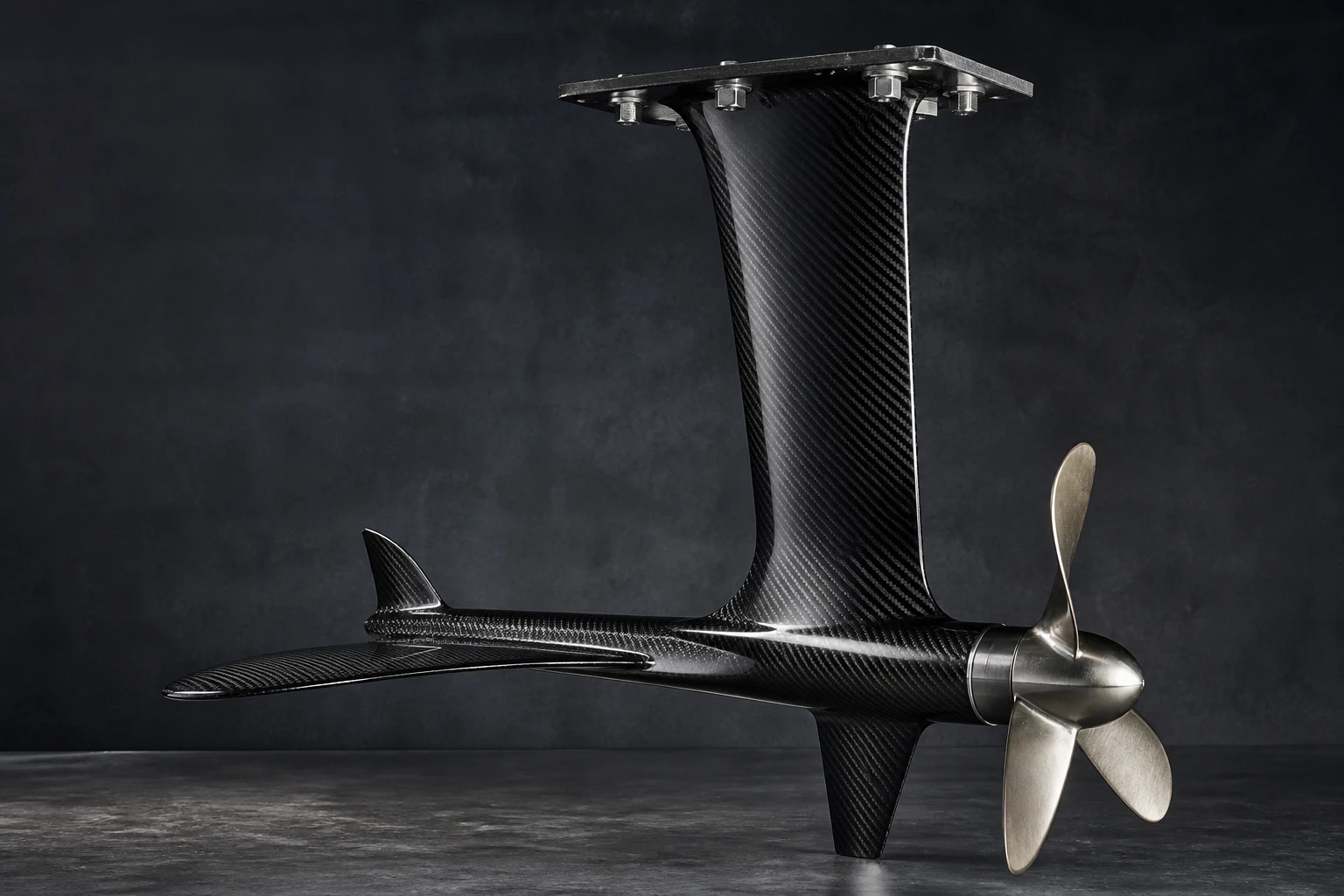
Understanding Carbon Fiber Masts: Benefits and Drawbacks
The Advantages of Carbon Fiber Over Traditional Materials
Carbon fiber masts have revolutionized the sailing world. They offer numerous benefits over traditional materials like aluminum or wood. These masts are incredibly lightweight, reducing the overall weight of your sailboat. This leads to improved speed and maneuverability on the water.

Carbon fiber is also incredibly strong and stiff. This means your mast can withstand high winds and rough seas without bending or breaking. The material’s rigidity allows for better sail shape control, enhancing your boat’s performance.
Another advantage is durability. Carbon fiber doesn’t corrode like metal or rot like wood. This means less maintenance and a longer lifespan for your mast. The material is also resistant to UV rays, ensuring it maintains its strength over time.
Lastly, carbon fiber masts can be customized to suit your specific needs. Manufacturers can adjust the layup and fiber orientation to create masts with varying degrees of flex and strength.
Potential Drawbacks You Should Know Before Purchase
While carbon fiber masts offer many benefits, they’re not without drawbacks. The most significant is cost. Carbon fiber masts are generally more expensive than their aluminum counterparts. This initial investment can be a barrier for some boat owners.
Another concern is repairability. Unlike aluminum masts that can often be repaired easily, damage to carbon fiber can be more challenging and costly to fix. In some cases, a damaged carbon fiber mast may need complete replacement.
Carbon fiber masts can also be more sensitive to impact damage. A hard hit that might only dent an aluminum mast could potentially crack or shatter a carbon fiber one. This means extra care is needed during docking and in tight spaces.
Lastly, some sailors find carbon fiber masts to be less forgiving than aluminum. They transmit more ‘feel’ from the sails, which can be great for experienced sailors but potentially overwhelming for beginners.
The Best Carbon Fiber Masts in the Market
Top 5 Carbon Fiber Masts for Performance and Durability
- Hall Spars Carbon Fiber Mast: Known for their high-quality construction and customization options.
- Southern Spars EC6+ Carbon Mast: Offers excellent stiffness-to-weight ratio for racing yachts.
- Seldén Carbon Mast System: Provides a range of options suitable for various boat sizes and types.
- GMT Composites Carbon Fiber Masts: Renowned for their durability and performance in offshore conditions.
- Axxon Composites Racing Masts: Favored by competitive sailors for their lightweight design and rigidity.
These masts are top choices for sailors seeking the best performance. Each offers unique features and benefits. Hall Spars, for instance, is known for its attention to detail and customization options. Southern Spars’ EC6+ is a favorite among racing enthusiasts for its exceptional stiffness.

Seldén’s Carbon Mast System is versatile, catering to various boat sizes. GMT Composites stands out for its durability in challenging offshore conditions. Axxon Composites is a go-to for competitive sailors due to its ultra-lightweight design.
When choosing, consider your specific needs, budget, and sailing style. Each of these masts can significantly enhance your sailboat’s performance when properly matched to your vessel.
High-Quality Carbon Fiber Masts for Luxury Sailboats
Luxury sailboats demand the best in terms of performance and aesthetics. Several carbon fiber mast manufacturers cater to this high-end market. These masts not only offer superior performance but also add to the yacht’s overall elegance.
Offshore Spars produces custom carbon fiber masts for luxury yachts. They focus on creating masts that blend seamlessly with the boat’s design while offering top-notch performance. Their attention to detail and finish is unparalleled.
Another notable brand is Nordic Mast. They specialize in carbon fiber masts for superyachts. Their masts are known for their strength, lightness, and sleek appearance. They often collaborate with yacht designers to create truly bespoke solutions.
Formula Spars is another name synonymous with luxury carbon fiber masts. They offer a range of high-end masts and rigging solutions. Their products are favored by owners of premium sailing yachts for their reliability and aesthetic appeal.
When selecting a mast for a luxury sailboat, consider factors like customization options, finish quality, and the manufacturer’s reputation in the high-end market. These masts are investments that can significantly enhance both the performance and value of your luxury vessel.
Budget-Friendly Carbon Fiber Masts: A Value-for-Money Review
While carbon fiber masts are generally pricier than aluminum ones, there are options for budget-conscious sailors. These masts offer a good balance between performance and cost. They’re great for those wanting to upgrade without breaking the bank.
Z-Spars offers a range of carbon fiber masts at competitive prices. Their products are known for good quality and reliability. They’re a popular choice among club racers and weekend sailors looking to improve their boat’s performance.
Another option is the CST Composites carbon fiber mast. These Australian-made masts offer good value for money. They’re particularly suitable for smaller sailboats and dinghies. CST’s masts provide many benefits of carbon fiber at a more accessible price point.
For those willing to consider used options, websites like eBay or specialized sailing marketplaces often list second-hand carbon fiber masts. While this requires careful inspection and potentially some refurbishment, it can be a cost-effective way to upgrade.
Remember, even budget-friendly carbon fiber masts still offer significant performance benefits over traditional materials. They can be a smart investment for sailors looking to enhance their boat’s capabilities without overspending.
Installation and Maintenance Tips for Carbon Fiber Masts
Step-by-Step Guide to Installing Your Carbon Fiber Mast
Installing a carbon fiber mast requires careful planning and execution. Here’s a simplified guide:

- Prepare your boat: Remove the old mast and clean the mast step.
- Inspect the new mast: Check for any damage or defects before installation.
- Attach fittings: Install all necessary hardware on the mast before stepping.
- Step the mast: Carefully raise and place the mast into the mast step.
- Secure the mast: Attach shrouds and stays, ensuring proper tension.
- Fine-tune: Adjust the rig tension for optimal performance.
Always refer to the manufacturer’s specific instructions. If you’re unsure, consider hiring a professional rigger. Proper installation is crucial for safety and performance.
Maintenance Best Practices for Carbon Fiber Masts
Maintaining your carbon fiber mast is key to its longevity and performance. Here are some best practices:
- Regular inspections: Check for cracks, delamination, or other damage.
- Clean frequently: Use fresh water to remove salt and debris after each sail.
- Protect from UV: Use a mast cover when not in use to prevent UV damage.
- Avoid impact: Be cautious when docking or in tight spaces to prevent collisions.
- Check fittings: Regularly inspect and tighten all hardware and fittings.
- Professional check-ups: Have your mast inspected by a professional annually.
Remember, prevention is better than cure. Regular maintenance can prevent costly repairs or replacements down the line.
When to Upgrade: Signs Your Carbon Fiber Mast Needs Replacement
Even high-quality carbon fiber masts eventually need replacement. Here are signs to watch for:
- Visible damage: Cracks, delamination, or significant wear indicate it’s time for a new mast.
- Age: Most carbon fiber masts last 10-15 years with proper care.
- Performance decline: If your boat’s performance has noticeably decreased, the mast might be the culprit.
- Outdated technology: Newer masts might offer significant performance improvements.
- Changed sailing needs: If your sailing style has evolved, you might need a different mast type.
Always prioritize safety. If you’re unsure about your mast’s condition, consult a professional. They can assess whether repair or replacement is the best option. Upgrading at the right time ensures you continue to enjoy optimal performance and safety on the water.